What does crusta mean?
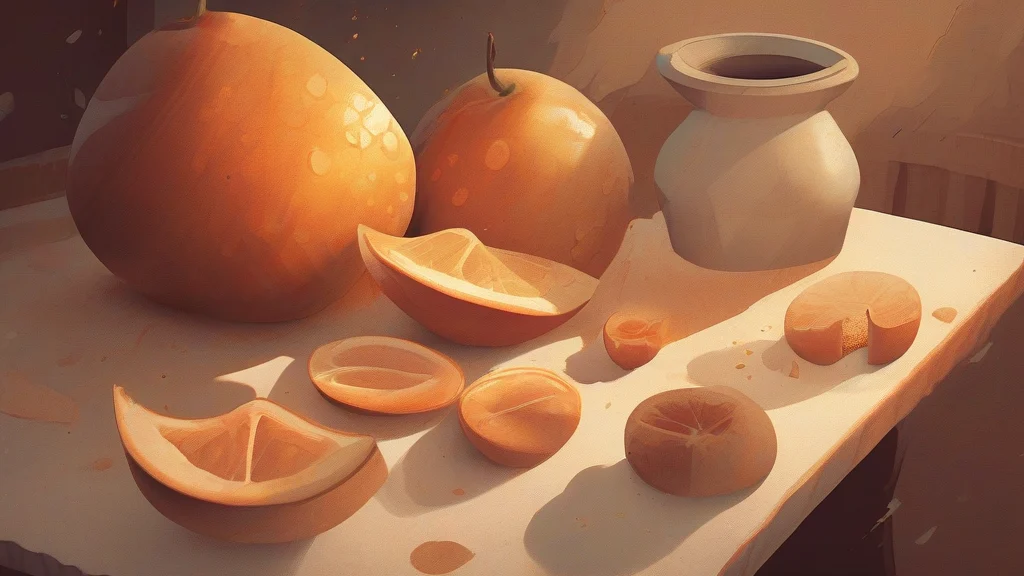
The word crusta refers to the outer layer or crust of a fruit or vegetable. It is a term commonly used in formal or technical contexts, such as in cooking or horticulture. The crusta is typically removed before serving or preparing the fruit or vegetable. In some cases, the crusta may be left intact and used as a decorative element. The term crusta is derived from the Latin word crusta, meaning 'crust' or 'outer layer.' It is also related to the Italian and Spanish words for crusta, which share a similar meaning. Overall, the word crusta is a useful term for describing the outer layer of a fruit or vegetable, and its formal or technical connotations make it a valuable tool for cooks and horticulturists.
nounA crusta is a crust or outer layer, especially of a fruit or vegetable.
- A crusta is a crust or outer layer, especially of a fruit or vegetable.
"The farmer carefully removed the crusta from the pineapple before serving it."
"The farmer carefully removed the crusta from the pineapple before serving it."
"The chef used a sharp knife to peel the crusta from the citrus fruit."
The plural form crustas is used when referring to multiple fruits or vegetables with their crusta intact.
"The chef carefully removed the crustas from the pineapples before serving them."
Reviewed by Deb Chak, Editor. AI-assisted content curated by RJS Tech Solutions LLP.
Etymology of crusta
The word crusta is derived from the Latin word crusta, meaning 'crust' or 'outer layer.' This Latin word is also the source of the Italian and Spanish words for crusta, which share a similar meaning. The term crusta has been used in English since the 15th century, and its meaning has remained relatively consistent over time.
How crusta is actually used
The term crusta is often used in formal or technical contexts, such as in cooking or horticulture.