
What does cucurbit mean?
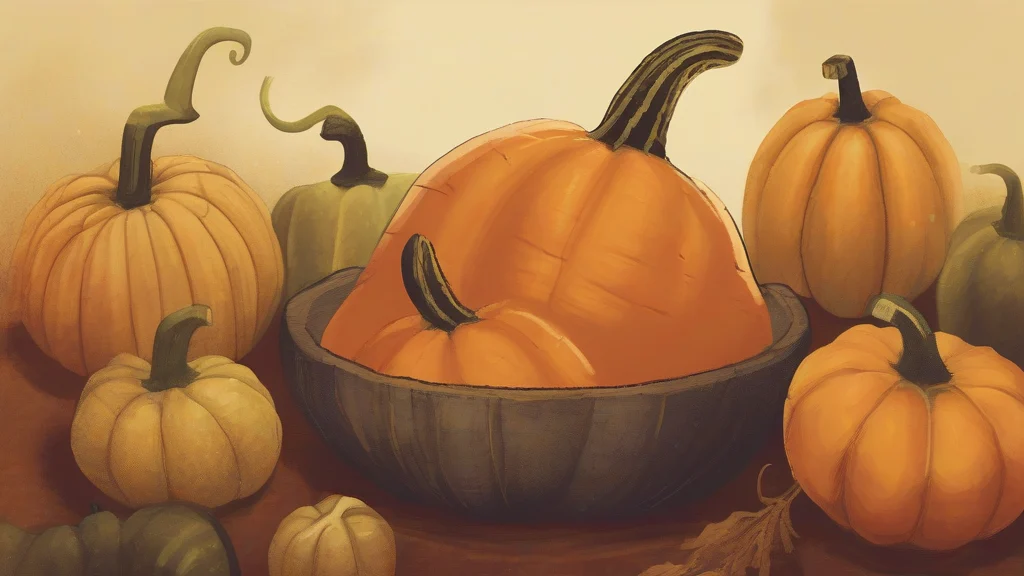
A cucurbit is any plant belonging to the gourd family, Cucurbitaceae — a group that takes in some of the most familiar foods in the world, including pumpkins, squashes, cucumbers, melons, and marrows. The word can also refer to the fruit of such a plant. In modern usage, 'cucurbit' appears chiefly in horticulture, agriculture, and botany: gardeners might discuss protecting their cucurbits from frost, while scientists study viral diseases affecting cucurbit crops. It is a technical-sounding term rather than a household word, though its meaning is straightforward once learned. Historically, the word had another life altogether: in alchemy and early chemistry, a cucurbit was a rounded vessel used in distillation, so called because it was originally fashioned from a gourd. Derived from the Latin 'cucurbita', meaning gourd, it remains a useful precise term for anyone writing seriously about these economically important plants.
A plant of the gourd family (Cucurbitaceae), including pumpkins, squashes, cucumbers, and melons; also the fruit of such a plant.
"Downy mildew can devastate an entire season's cucurbit crop if left untreated."
Used mainly in botanical, horticultural, and agricultural contexts.
Historical: a gourd-shaped vessel, especially one used in alchemy and early chemistry as part of a distillation apparatus.
"The alembic fitted neatly onto the glass cucurbit, ready to receive the distilled spirit."
This sense is now obsolete except in historical accounts of alchemy.
Regular plural formation; commonly used in agricultural and gardening contexts to refer collectively to multiple plants of this family.
"Rotate your beds each year so that cucurbits do not follow one another in the same soil."
'Cucurbit' sounds like a spell from Harry Potter, but it simply means pumpkin's entire family tree.
Reviewed by Deb Chak, Editor. AI-assisted content curated by RJS Tech Solutions LLP.
Etymology of cucurbit
The English word 'cucurbit' derives from Latin 'cucurbita', which denoted a gourd or drinking vessel made from one. The Latin root underlies the scientific family name Cucurbitaceae and the genus Cucurbita, which includes pumpkins and squashes. The word entered English in the late sixteenth or seventeenth century, initially carrying both the botanical sense and the sense of a distillation vessel shaped like a gourd. It is related to 'cucurbitaceous', the adjective describing plants of this family.
Related word forms
How cucurbit is actually used
Primarily used in horticultural, agricultural, and botanical contexts rather than everyday conversation. Gardeners often use it collectively for members of the gourd family when discussing pests, diseases, or crop rotation. The historical sense relating to vessels is now largely obsolete but survives in histories of alchemy and early chemistry.
Easily confused with cucurbit
A cucumber is one specific member of the gourd family, whereas 'cucurbit' refers to any plant of that whole family.
'Curcubite' is not an English word; 'cucurbit' is spelled with a 'u' after both c's.