
What does curd mean?
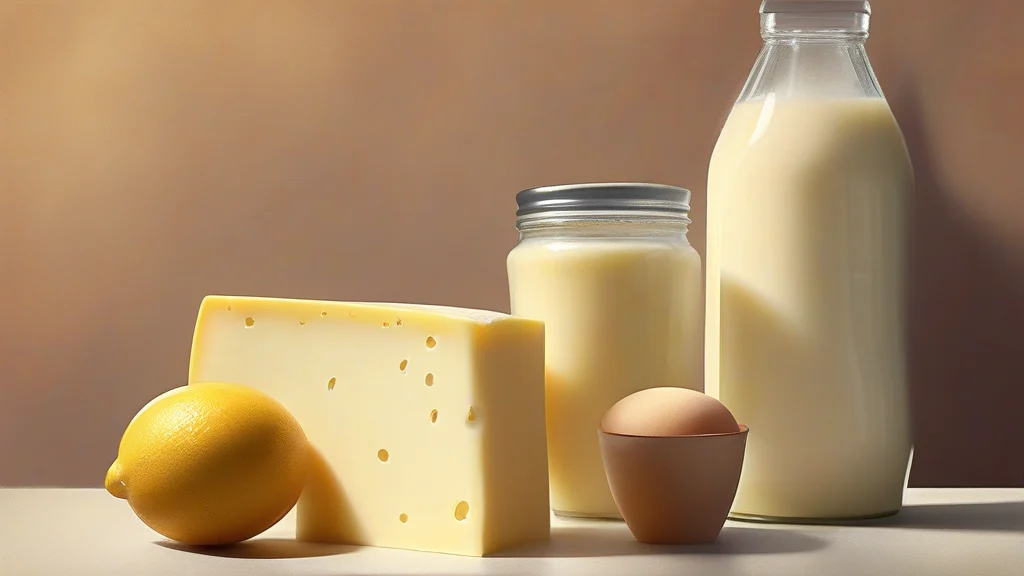
Curd is the soft, semi-solid substance that forms when milk coagulates, typically through the addition of rennet, an acid such as lemon juice, or naturally occurring bacteria. When milk separates, it divides into solid curds and liquid whey — a distinction familiar from the nursery rhyme about Little Miss Muffet. Curd is the essential starting material for nearly all cheese, as well as paneer and tofu-like bean curd in Asian cooking. The word also denotes a rich, smooth spread made by gently cooking fruit juice, usually lemon, with sugar, butter, and eggs; lemon curd is a beloved topping for toast, tarts, and scones. In South Asia, however, "curd" ordinarily refers to yogurt, a regional usage worth noting. Simple, homely, and ancient, curd connects everyday cooking to one of humanity's oldest food transformations.
The thickened, semi-solid mass formed when milk coagulates, separated from the whey; also a sweet spread made from fruit juice, sugar, butter, and eggs.
"Rennet was added to the milk, and within minutes a soft curd had formed."
Frequently used in the plural ("curds") for the lumps of coagulated milk; in South Asian contexts, "curd" usually means yogurt.
To cause milk to coagulate into curds; to turn into curd.
"A splash of vinegar will curd the milk almost instantly."
This verb use is now rare; "curdle" is the standard modern form.
The plural "curds" is standard and very common when referring to the individual soft lumps of coagulated milk, as in "curds and whey."
"The fresh curds were drained in cheesecloth before being seasoned."
Without curd there would be no cheese — every wheel of cheddar and every slice of paneer begins with this humble clump of coagulated milk.
Reviewed by Deb Chak, Editor. AI-assisted content curated by RJS Tech Solutions LLP.
Etymology of curd
The word "curd" appeared in Middle English, with its earliest attested forms dating from around the medieval period. Its precise origin is uncertain, though it has been linked to an unattested Celtic source and is related to "crud," which originally referred to the same coagulated milk before shifting to mean any filthy substance. The verb "curdle" developed later from "curd."
Related word forms
How curd is actually used
"Curd" is often used in the plural ("curds") when referring to the small lumps of coagulated milk. In South Asian cuisine, "curd" commonly means what Western speakers would call yogurt, which can cause confusion in international contexts.
Easily confused with curd
"Curd" refers to the edible coagulated mass from milk or a fruit-and-egg spread, while "crud" is informal slang for a filthy or disgusting substance.