What does currawong mean?
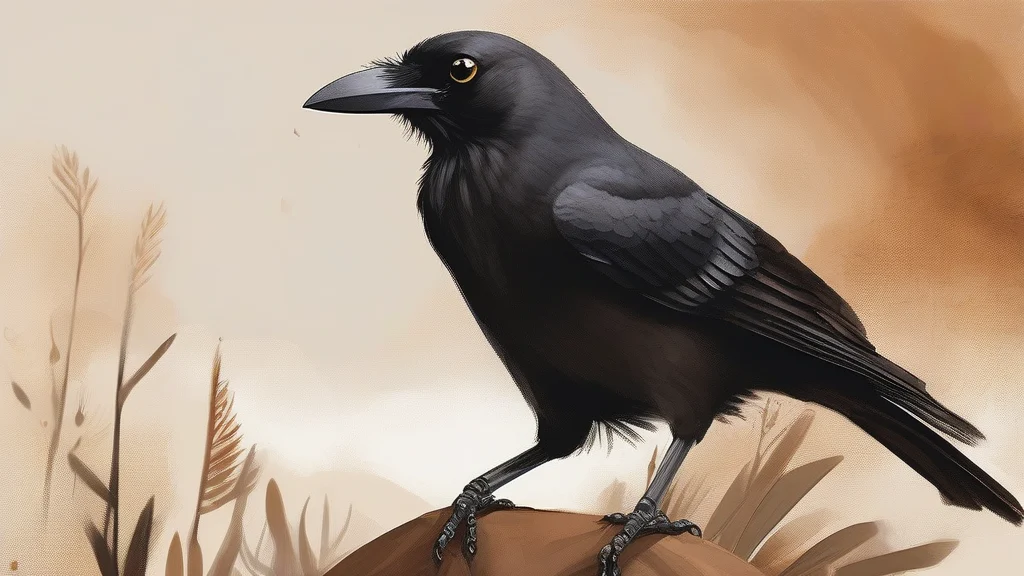
The currawong is any of three large, crow-like songbirds of the genus Strepera, found only in Australia and belonging to the family Artamidae, which also includes magpies and butcherbirds. The best-known species are the pied currawong of eastern Australia, the grey currawong of southern regions, and the black currawong of Tasmania. Currawongs have mostly black, grey, or black-and-white plumage, striking yellow eyes, strong hooked bills, and loud, far-carrying calls that often sound like fluting or chiming bells. Omnivorous and adaptable, they eat insects, fruit, small animals, and carrion, and many move from higher ground into towns during colder months, making them familiar visitors to gardens and picnic areas. The name comes from an Indigenous Australian language and imitates one of the bird's characteristic calls, making it one of many Australian animal names borrowed from Aboriginal languages. For birdwatchers and nature writers alike, the currawong is an evocative emblem of the Australian bush soundscape.
nounAny of several large, crow-like songbirds of the genus Strepera, native to Australia, having black, grey, or pied plumage, bright yellow eyes, and loud ringing calls.
- Any large crow-like songbird of the Australian genus Strepera (family Artamidae), including the pied, grey, and black currawong.
"A pied currawong swooped down from the eucalypt to snatch the scraps left on the picnic table."
"The currawong's far-carrying call rang out across the valley at dusk."
"In winter, currawongs descend from the mountains into coastal towns in search of fruit and berries."
Standard pluralization applies; 'currawong' is also occasionally used collectively, as with many bird names.
"Flocks of currawongs gather in the orchards each autumn."
Its name isn't English at all — 'currawong' echoes the very call of the bird itself, borrowed from the language of the Aboriginal people who heard it first.
Reviewed by Deb Chak, Editor. AI-assisted content curated by RJS Tech Solutions LLP.
Etymology of currawong
The word 'currawong' was borrowed from an Indigenous Australian language — commonly cited as the Sydney-area (Yagara/Dharug) form gurawang or similar — and imitates one of the bird's distinctive calls. It entered written English during the colonial period in Australia, in the late eighteenth or early nineteenth century, as European naturalists recorded local names for the continent's wildlife. It stands alongside other Australian fauna names of Aboriginal origin such as kookaburra and wombat.
How currawong is actually used
Primarily used in Australian English, especially in natural history, birdwatching, and everyday rural and suburban contexts. The plural is typically the unchanged 'currawong' or 'currawongs'; both occur, with 'currawongs' more common in general writing.
Easily confused with currawong
The Australian magpie is a related but distinct bird in the same family (Artamidae); currawongs are larger, with yellow eyes and heavier bills.
Butcherbirds are smaller members of the same family that impale prey on thorns or wedges, unlike currawongs.