What does cystoscopy mean?
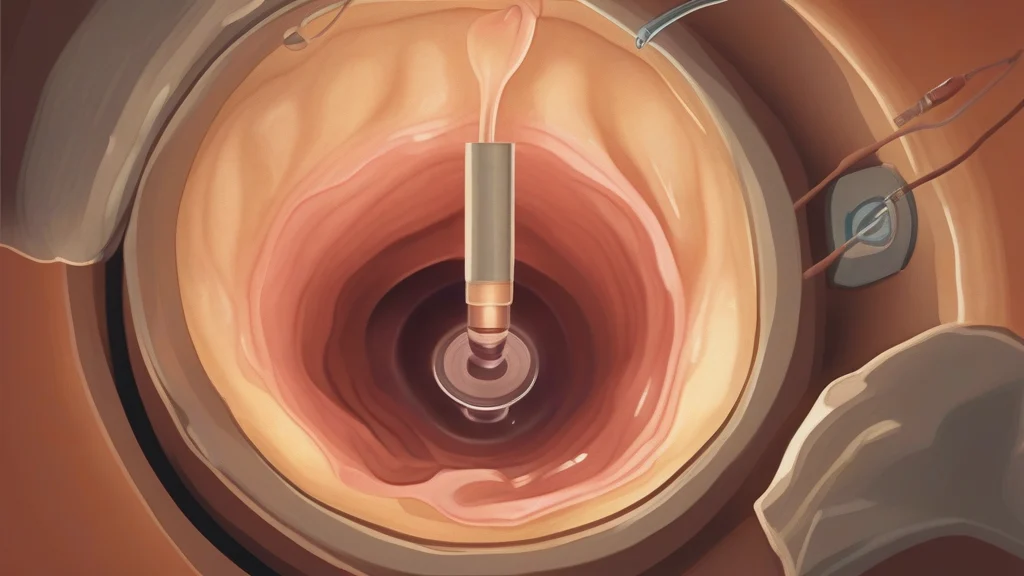
Cystoscopy is a diagnostic medical procedure in which a doctor examines the inside of the urethra and bladder using a cystoscope — a slender, tube-like instrument fitted with lenses and a light, and often a camera. The instrument is inserted through the urethra, allowing direct visual inspection of the bladder lining without any incision. Urologists commonly recommend cystoscopy to investigate blood in the urine, recurrent urinary tract infections, urinary blockage, suspected tumours, stones, or persistent symptoms such as frequent urination. The procedure may be flexible, done in a clinic under local anaesthetic with minimal discomfort, or rigid, performed under general anaesthesia when a wider view or additional intervention such as biopsy is needed. The word derives from Greek kystis ('bladder') plus skopein ('to examine'). Though strictly clinical in register, cystoscopy appears frequently in patient information materials and health reporting, making it one of the more widely recognised terms of modern urology.
nounA medical examination of the interior of the bladder and urethra using a cystoscope, a thin tube-like instrument with a lens or camera inserted through the urethra.
- The medical procedure of examining the inside of the bladder and urethra with a cystoscope, typically to diagnose conditions such as blood in the urine, recurrent infections, tumours, or bladder stones.
"The urologist recommended a cystoscopy to investigate the recurring blood in her urine."
"Following several abnormal urine tests, he was referred for an outpatient cystoscopy under local anaesthetic."
"Flexible cystoscopy can be performed in the clinic, allowing the urologist to inspect the bladder lining directly."
Plural used when referring to multiple instances of the procedure.
"He has needed repeated cystoscopies over the years to monitor his bladder condition."
The word 'cystoscopy' comes from Greek kystis, meaning 'bladder' — a word ancient Greeks used for anything pouch-shaped, from the organ itself to bags and sacs.
Reviewed by Deb Chak, Editor. AI-assisted content curated by RJS Tech Solutions LLP.
Etymology of cystoscopy
Cystoscopy comes from the Greek kystis, meaning 'bladder' or 'pouch', combined with skopein, 'to look at or examine', giving the -scopy ending common to endoscopic procedures. The procedure itself was made practical in the early 19th century by German physician Philipp Bozzini's light-guided instruments, and was refined later that century by Max Nitze, whose illuminated cystoscope established the technique in clinical practice. It shares its Greek root with related medical terms such as cyst, cystitis, and cystectomy.
How cystoscopy is actually used
A technical term used mainly in medical and clinical contexts; laypeople usually encounter it when describing their own procedures. It may be performed under local anaesthesia (typically flexible) or general anaesthesia (typically rigid).
Easily confused with cystoscopy
Colonoscopy examines the colon via the rectum, whereas cystoscopy examines the bladder and urethra via the urethra.
Cystectomy is surgical removal of the bladder (or a cyst), while cystoscopy is only a visual diagnostic examination.