
What does dandyish mean?
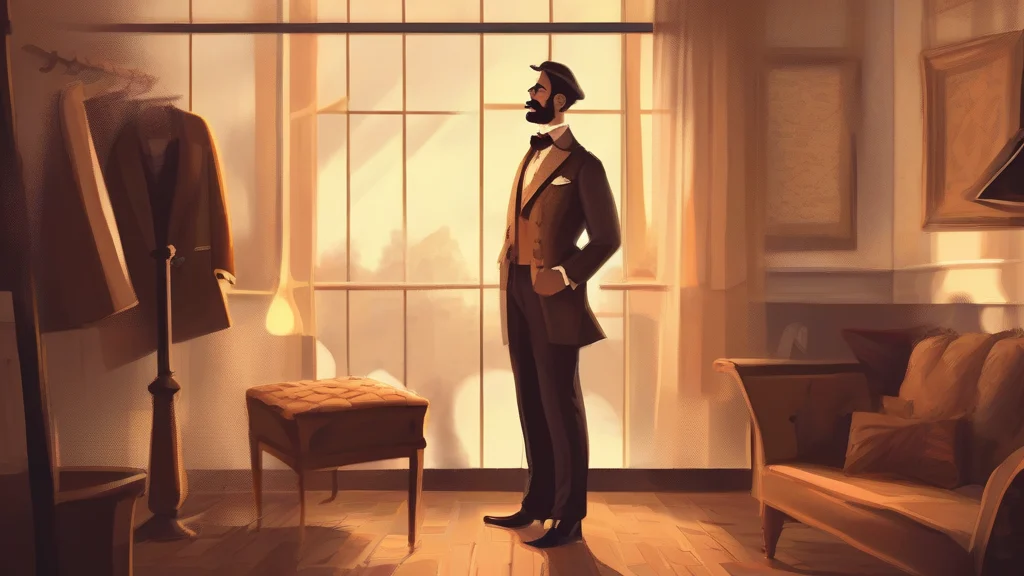
"Dandyish" is an adjective describing someone or something that resembles a dandy — a person, historically a man, who devotes exaggerated attention to stylish dress, polished manners, and an air of refined elegance. A dandyish figure might wear a carefully knotted cravat, carry a cane, or move with theatrical self-possession. The word carries a connotation of affectation: the elegance is real, but it is worn deliberately and often a little too conspicuously, which lends the term a gently mocking or affectionate edge rather than straightforward praise. It appears most often in literary description, fashion writing, and historical commentary, particularly in discussions of Regency and Victorian menswear, though it can describe contemporary style as well. Related forms include the noun "dandy," from which it derives, and the rarer adverb "dandily." For writers, "dandyish" offers a compact way to suggest vanity, precision, and flamboyance all at once — a single word that paints both the outfit and the attitude behind it.
adjectiveCharacteristic of or resembling a dandy; given to ostentatious concern with elegant clothes and refined appearance.
- Resembling or characteristic of a dandy, especially in dress and manner.
- (Of behavior or style) showy or fastidious in an affectedly elegant way.
"He struck a dandyish pose in his velvet-collared coat and polished cane."
"His dandyish cravat drew amused glances at the otherwise casual gathering."
"She gave the room a dandyish flourish, adjusting her cuffs before sitting down."
The word 'dandy' itself has no known origin — it simply strutted into English in the late 1700s, and 'dandyish' came along to describe everything about that swagger.
Reviewed by Deb Chak, Editor. AI-assisted content curated by RJS Tech Solutions LLP.
Etymology of dandyish
"Dandyish" is formed by adding the adjective suffix "-ish" to "dandy," a word that appeared in British English in the late eighteenth century with its meaning fixed by the fame of Beau Brummell and the Regency dandy movement. The ultimate origin of "dandy" itself is uncertain; it may be a shortened form of the older Scottish "jack-a-dandy," meaning a diminutive or vain fellow. The word spread through nineteenth-century European culture, giving rise to cognates such as French "dandyisme."
Related word forms
How dandyish is actually used
Somewhat literary and often mildly humorous or affectionate in tone; rarely neutral. Frequently used of men's historical fashion (Regency, Victorian) but applicable to anyone with flamboyantly meticulous style.
Easily confused with dandyish
"Dandy" is the noun for a man devoted to stylish dress and manners, while "dandyish" is the adjective describing things that resemble or characterize such a man.