
What does daysack mean?
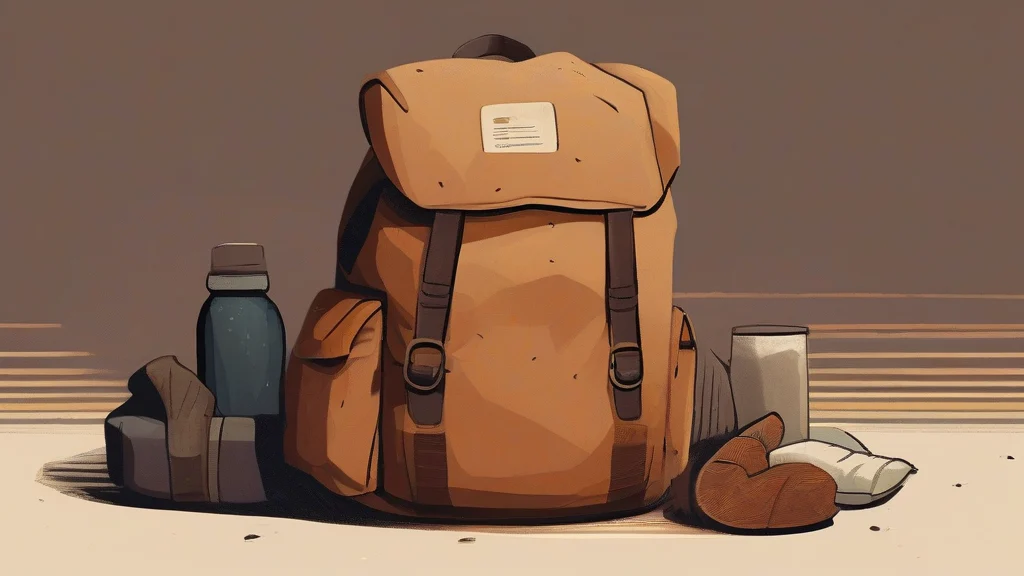
A daysack is a small backpack designed for short outings — walks, hikes, or day trips — where the wearer needs only essentials such as food, water, and spare clothing. Unlike a full-sized rucksack built for overnight or multi-day expeditions, a daysack typically holds somewhere between about ten and thirty litres, keeping the load light and manageable. The word is used most often in Britain, where it is standard vocabulary among hillwalkers, ramblers, and outdoor shops, though it is understood elsewhere and overlaps with the American terms 'daypack' and 'day bag'. Its name is transparently functional: a sack carried for a day. Because it implies brevity and lightness, the word often appears in practical advice — packing lists, trail guides, and product descriptions — where writers contrast travelling light with hauling heavy expedition kit.
nounA small backpack or rucksack, large enough to carry only the essentials needed for a single day's outing rather than an overnight trip.
- A small backpack or rucksack designed to hold the gear needed for a single day's walk or excursion.
"She packed a water bottle and a map into her daysack before setting off on the coastal path."
"He shouldered his daysack and set off along the ridge trail at first light."
"Every visitor to the nature reserve was advised to bring a daysack with water, snacks, and waterproofs."
Standard plural, formed by adding -s.
"The club owns several daysacks that members can borrow for weekend walks."
The daysack is proof that in hiking, as in life, knowing what to leave behind matters as much as what you carry.
Reviewed by Deb Chak, Editor. AI-assisted content curated by RJS Tech Solutions LLP.
Where does daysack come from?
The word daysack is a straightforward English compound of 'day' (from Old English dæg) and 'sack', the latter ultimately deriving from Latin saccus and Greek sakkos, meaning a coarse cloth bag. It emerged in modern British usage, chiefly among walkers and climbers, to name the pack carried on single-day excursions; its development parallels that of related compounds such as 'rucksack' (borrowed from German) and 'knapsack'. Cognates sharing the sack root include satchel, sachet, and sac.
How daysack is actually used
The term is especially common among British hillwalkers and outdoor retailers, where it distinguishes small day-use packs from larger expedition rucksacks. It carries a casual, practical connotation and appears mostly in outdoor, travel, and retail contexts.
Easily confused with daysack
A rucksack is any larger backpack suitable for multi-day loads, whereas a daysack specifically denotes a smaller pack intended for single-day outings.