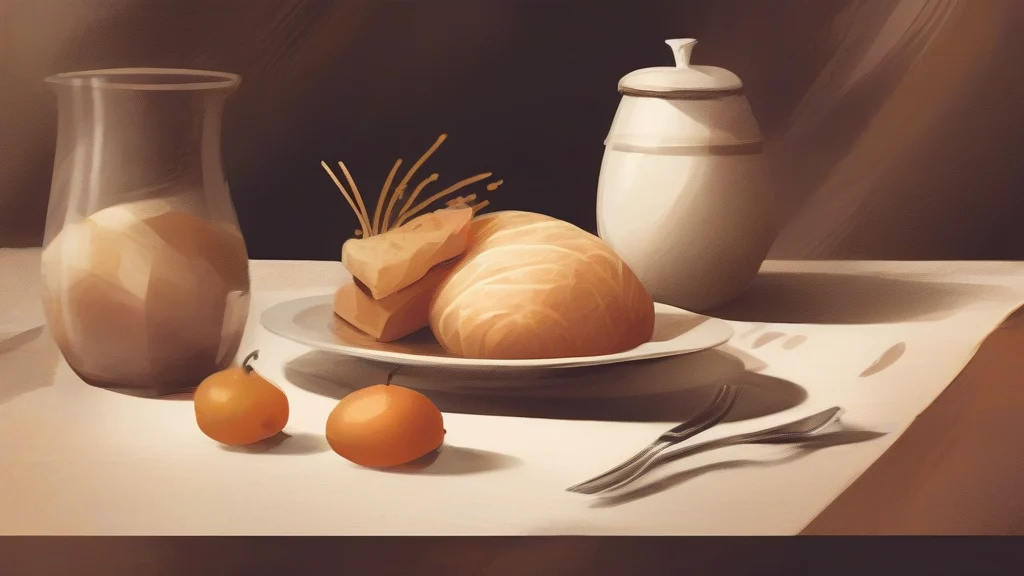
What does delicacy mean?
"Delicacy" is a noun with two principal senses. First, it denotes the quality of being delicate: the finesse, tact, or sensitivity required to handle a fragile object, a tender emotion, or a socially tricky situation — as when a diplomat raises a contentious issue with delicacy. Second, it refers to a fine, choice, or rare food, typically one prized within a particular culture or region, such as truffles in France or fugu in Japan. The word derives from the Latin "deliciae," meaning delights or pleasures, sharing a root with "delicious" and "delectable." Its connotations are almost entirely positive, suggesting refinement, precision, and care, whether applied to cuisine, craftsmanship, or human interaction. Because it bridges the sensory and the social — describing both exquisite flavors and exquisite judgment — "delicacy" remains a versatile and elegant term in everyday and formal English alike.
The quality of being delicate; fineness, fragility, or the tact and sensitivity required in handling something carefully.
"She adjusted the antique mechanism with great delicacy."
A fine or luxurious food item, often one considered rare or a specialty of a particular region or culture.
"Escargot is considered a French delicacy."
The plural is standard and frequently used, particularly for assortments of fine foods.
"The banquet featured delicacies from around the world."
From Latin "deliciae" — literally "delights" — the same root that gives us both "delicious" and "delicate," so every time you call sushi a delicacy, you're calling it a delight.
Reviewed by Deb Chak, Editor. AI-assisted content curated by RJS Tech Solutions LLP.
Etymology of delicacy
"Delicacy" entered English in the late Middle Ages, borrowed via Old French "delicacie" from the Latin "deliciae," meaning delights, charms, or pleasures, itself from "delicare," to allure or entice. The same Latin root produced "delicious," "delectable," and "delicate," making these words true cognates. Over centuries the word shifted from meaning pleasure or indulgence toward its modern senses of fragility, tactfulness, and fine food.
Related word forms
How delicacy is actually used
"Delicacy" in its sense of tactful handling carries a positive connotation of skill and sensitivity. In the food sense it often implies rarity or cultural specificity rather than mere taste. The plural "delicacies" is common for assorted fine foods.
Easily confused with delicacy
"Delicate" is an adjective describing something fine, fragile, or easily damaged, while "delicacy" is the noun naming that quality itself or a choice food.