
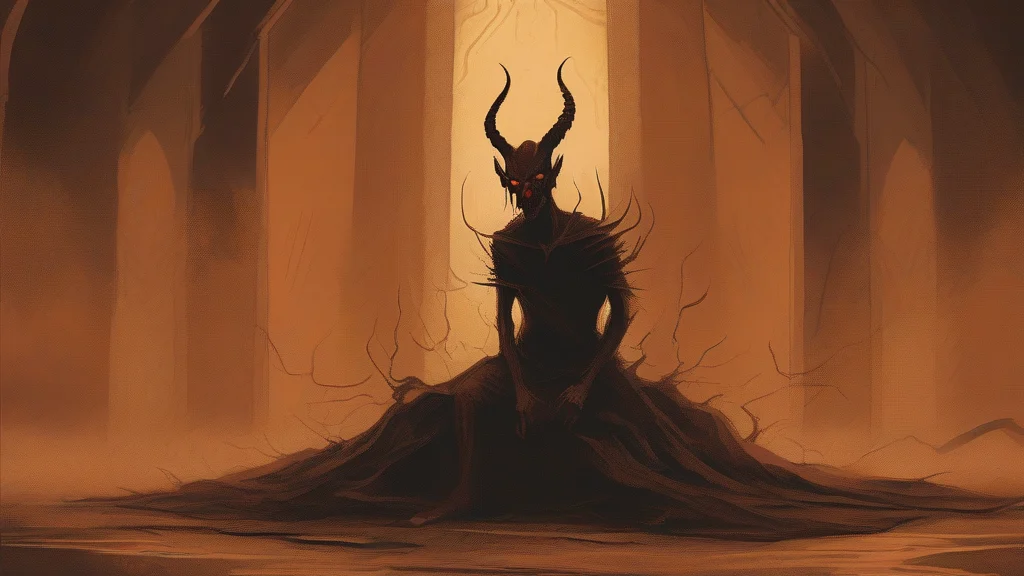
What does demonised mean?
Demonised is the British English past tense and past participle of demonise, a verb meaning to portray someone as a demon or as inherently evil. In contemporary usage, it usually describes hostile propaganda, public condemnation, or moralising rhetoric: a person, group, or institution is presented not merely as wrong or harmful, but as sinister or monstrous. The word is often used in passive constructions such as “widely demonised by critics,” and it can imply that the portrayal is unfair or exaggerated. This connotation makes demonised especially useful in discussions of media coverage, political campaigns, religious prejudice, and online abuse. British spelling is demonised; the usual US spelling is demonized. Although the verb retains a literal theological meaning, that sense is uncommon today. Its force comes from demon’s long-standing association with evil and supernatural beings, making the language of demonisation more emotionally charged than ordinary criticism.
To portray or brand someone as demonic, sinister, or evil, often with the implication that the portrayal is hostile or unjust.
"The newspaper was accused of demonising the family after the trial."
This form is the past tense and past participle of demonise and is especially common in passive constructions.
Having been portrayed or branded as demonic, sinister, or evil.
"The much-demonised commentator refused to answer the allegations."
This participial use is particularly common after modifiers such as much, widely, and fiercely.
To say someone is “demonised” goes beyond calling them bad: it makes them a symbol of evil itself.
Reviewed by Deb Chak, Editor. AI-assisted content curated by RJS Tech Solutions LLP.
Where does demonised come from?
Demonised derives from the British verb demonise, formed from demon and the verb-forming suffix -ise. Demon came through Old French from Latin daemon, which was borrowed from Greek daimōn, meaning “spirit” or “divine power.” The verb has cognates in languages including French and German; its modern figurative sense developed from the older idea of regarding or representing someone as a demon.
Related word forms
How demonised is actually used
The word is strongly evaluative and commonly appears in passive constructions. It often implies that the portrayal is exaggerated, morally hostile, or unfair. Its older literal theological sense is now uncommon.
Easily confused with demonised
Demonise is the British infinitive, whereas demonised is its past tense and past participle.