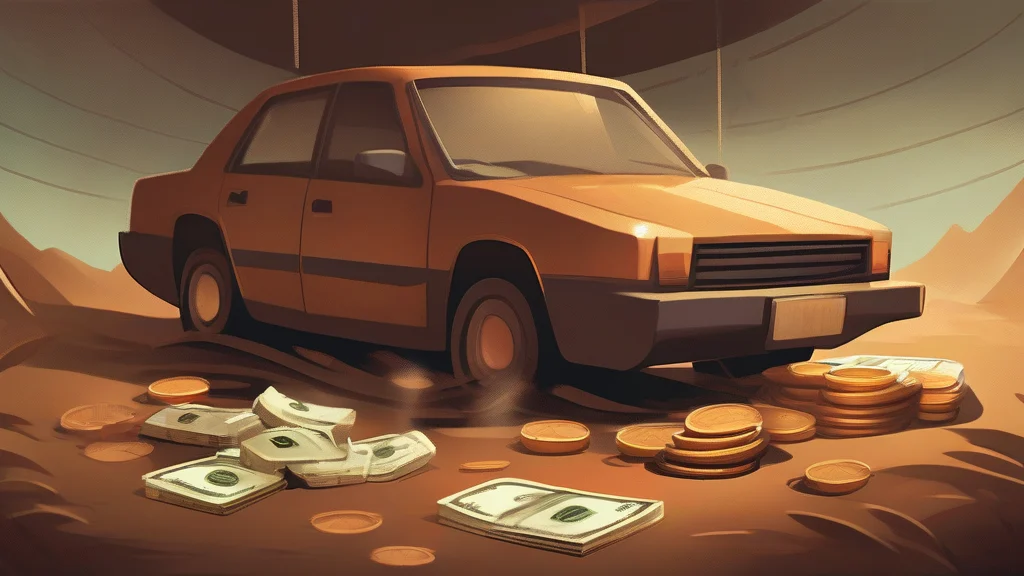
What does depreciation mean?
Depreciation is the process by which something loses value over time. In accounting and taxation it most commonly refers to the systematic write-down of an asset's worth — machinery, vehicles, buildings — as it ages, wears out, or becomes obsolete; businesses record this annual decline as an expense and may deduct it from taxable income. In economics, depreciation describes a currency falling in value against others, making imports dearer and exports cheaper. A rarer, older sense denotes the act of belittling or speaking disparagingly of something. The word carries a neutral, technical tone in financial contexts, though persistent depreciation can signal neglect or economic trouble. It is chiefly used by accountants, economists, and analysts, and understanding it matters because it shapes company profits, tax bills, exchange rates, and even what a second-hand car or house is realistically worth.
A reduction in the recorded or market value of an asset over time, typically due to wear and tear, age, or obsolescence.
"Depreciation on the company's equipment totalled forty thousand dollars last year."
In accounting, common methods include straight-line and declining-balance depreciation.
A decline in the exchange value of a currency relative to others.
"The depreciation of the yen boosted Japanese exports."
The act of expressing disapproval or belittling something; disparagement.
"His constant depreciation of her work eventually wore down her confidence."
This sense is now comparatively rare and formal.
Rarely pluralised; the uncountable singular form is standard, with plurals appearing only in technical accounting contexts referring to separate depreciation charges.
"The ledger recorded several distinct depreciation charges across the firm's subsidiaries."
In accounting, land is famously the one asset that never depreciates — everything else is slowly written off.
Reviewed by Deb Chak, Editor. AI-assisted content curated by RJS Tech Solutions LLP.
Etymology of depreciation
Depreciation derives from the Latin depretiare, formed from de- ("down") and pretium ("price"), entering English via the verb depreciate in the early modern period — the noun appears from around the early eighteenth century in financial writing. It shares its Latin root pretium with words such as appreciate, precious, praise, and price. It should not be confused with deprecation, which comes from a different Latin verb, deprecari, meaning to pray against.
Related word forms
How depreciation is actually used
Primarily a formal term used in accounting, finance, economics, and taxation. The disparagement sense is now relatively rare and largely literary. In everyday British usage, "devaluation" is often preferred for currency contexts.
Easily confused with depreciation
"Deprecation" means expressing disapproval or (in computing) marking software as obsolete, while "depreciation" refers to a fall in value.