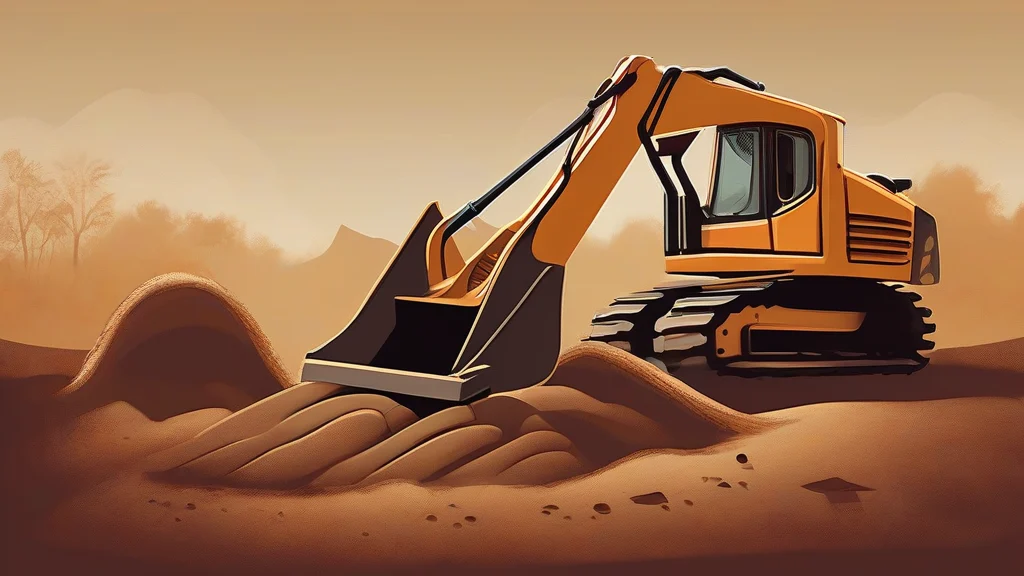
What does digger mean?
Digger is a noun formed from the verb 'to dig', describing either a person or a machine engaged in excavation. In its most literal sense, a digger is someone who works the ground — a labourer sinking shafts, cutting graves, or panning for gold — while in modern construction the word commonly denotes mechanical plant such as excavators and backhoes. The word also has a distinctive cultural life in Australia and New Zealand, where 'digger' is an affectionate and respectful informal term for a soldier, originating with the troops of the First World War, many of whom had been miners or farm labourers before enlisting. Related compounds include 'gold digger', which has developed a figurative sense for a person who pursues relationships for financial gain, and 'grave digger'. Digger is a versatile, concrete word whose register shifts with context: neutral in technical use, warmly colloquial in military speech.
nounA person or machine that digs, especially one who excavates earth, or (in Australia and New Zealand) an informal, affectionate term for a soldier.
- A person who digs, e.g. a labourer who excavates soil, graves, or minerals
- A machine used for digging, such as an excavator or mechanical shovel
- (Australia/NZ, informal) An Australian or New Zealand soldier, especially one from the First or Second World War
"The grave digger worked steadily through the frozen ground."
"The gold rush drew thousands of diggers to the riverbanks of California."
"Grandpa still calls every returned serviceman at the parade 'an old digger'."
Standard regular plural.
"Thousands of diggers flocked to the goldfields."
In Australia and New Zealand, calling a soldier a 'digger' is a badge of honour — it dates back to the trenches of Gallipoli in World War I.
Reviewed by Deb Chak, Editor. AI-assisted content curated by RJS Tech Solutions LLP.
Etymology of digger
Digger derives from the English verb 'dig', which itself is of uncertain Germanic origin, possibly related to Old French 'diguer'. The agentive suffix '-er' simply marks 'one who digs'. The word has been in common use since Middle English times. Its military sense arose among Australian and New Zealand troops during the First World War, particularly at Gallipoli, where soldiers dug extensive trench systems.
Related word forms
How digger is actually used
Informal in tone when referring to soldiers in Australasia; the term carries warm, respectful connotations there. In mining contexts, 'digger' can also refer historically to a prospector.
Easily confused with digger
A digger wasp is a specific solitary insect that nests in burrows; 'digger' alone usually refers to a person or machine that excavates.