What does disa mean?
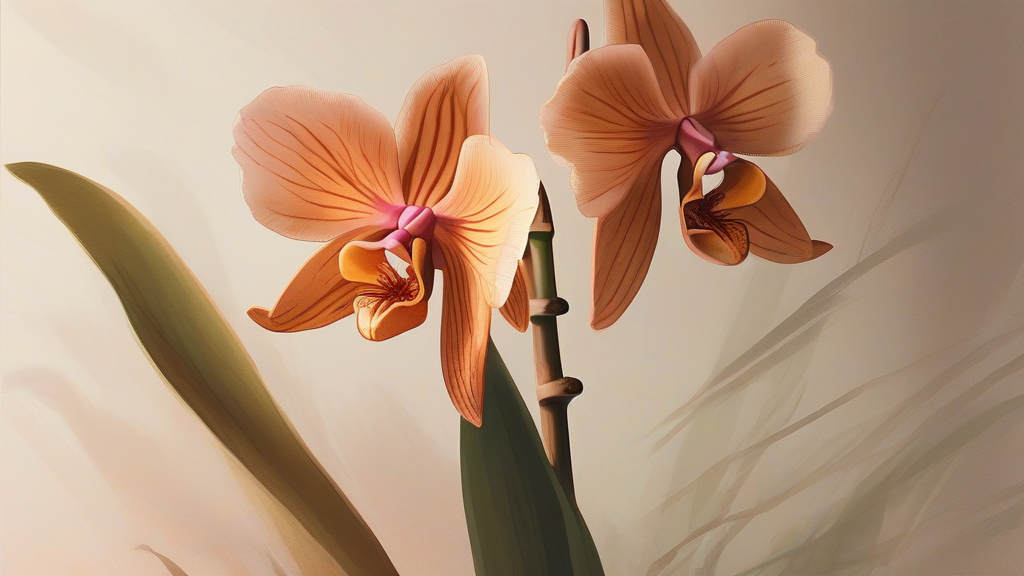
The disa is any orchid belonging to the genus Disa, a group of terrestrial flowering plants found mainly in southern Africa, with some species extending into Madagascar and tropical Africa. Disas are prized for their striking blossoms, which range from vivid scarlet — famously exemplified by the red disa of Table Mountain, a South African floral emblem — to yellow, blue, and green. The plants typically grow in damp, mountainous habitats such as stream banks, seeps, and fens, and several species are cultivated by orchid enthusiasts, though they demand cool conditions and careful watering. In horticultural circles the word functions both as a collective term for the genus and as a countable noun for individual specimens, with the plural "disas." Beyond gardens, the disa carries cultural weight in South Africa, appearing in provincial emblems and conservation efforts. For readers, it is a useful term in botany, gardening writing, and discussions of Cape flora.
nounA genus of terrestrial orchids native chiefly to southern Africa, bearing showy, often brightly coloured flowers; also, an individual plant of this genus.
- Any orchid of the genus Disa, native mainly to southern Africa, with showy often brightly coloured flowers.
- An individual plant of this genus, especially when cultivated.
"The greenhouse's prize specimen was a vivid red disa gathered on Table Mountain."
"The botanical garden's conservatory featured a stunning display of rare disas from the Cape region."
"Hikers on Table Mountain were delighted to spot the vivid red disa blooming along the trail."
Regular English plural; used when referring to individual plants rather than the genus collectively.
"The alpine house held a bench of blooming disas in shades of scarlet and orange."
Named after a legendary Swedish queen, the disa is one of South Africa's most celebrated wildflowers — its scarlet form even crowns the slopes of Table Mountain each summer.
Reviewed by Deb Chak, Editor. AI-assisted content curated by RJS Tech Solutions LLP.
Etymology of disa
The name "disa" comes from New Latin Disa, the botanical genus name established in the late eighteenth century. It derives from Disa, a legendary queen of Sweden who appears in Scandinavian folklore, notably in the tale of Disa and Sivard. The genus was described by the Swedish botanist Carl Peter Thunberg, which helps explain the choice of a Nordic mythological name.
How disa is actually used
"Disa" is used both as a mass-like term for the genus and as a countable noun for individual plants; the plural "disas" is standard. It appears mostly in botanical, horticultural, and gardening contexts rather than everyday conversation.
Easily confused with disa
A 'dais' is a raised platform for speakers or dignitaries, whereas a 'disa' is an orchid of the South African genus Disa.