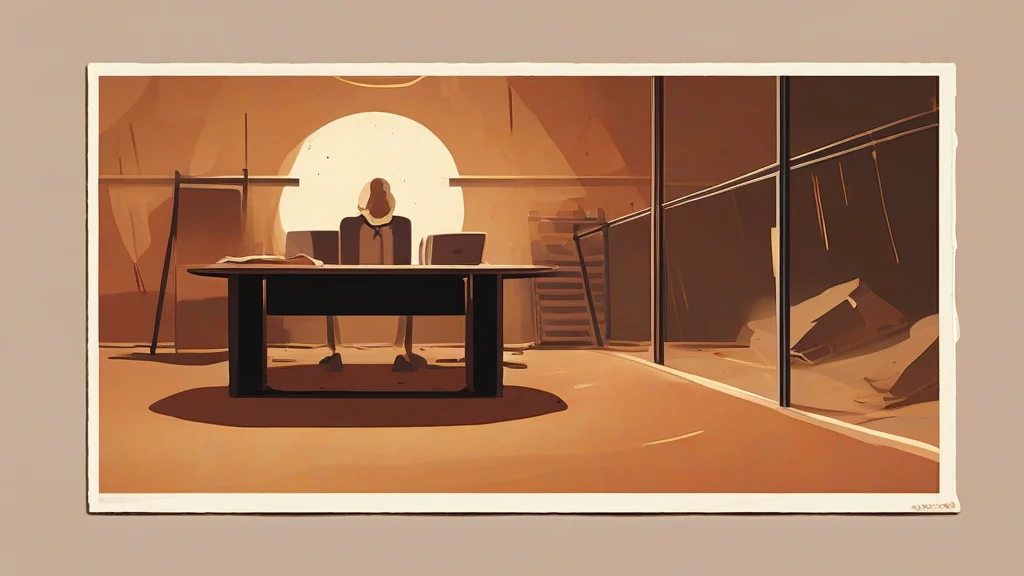
What does discomfiture mean?
Discomfiture is a formal noun denoting the embarrassment, confusion, or unease that follows when a person is defeated, thwarted, or caught out — the flustered feeling of having one's plans or expectations collapse. It can also refer more broadly to the state of being frustrated in one's aims. Typical usage appears in phrases such as "much to her discomfiture" or "to the government's discomfiture," where it signals that someone's setback produced visible awkwardness or chagrin. The word is literary and somewhat elevated in tone, appearing more often in journalism, essays, and fiction than in everyday conversation, and it should not be confused with "discomfort," which describes ordinary physical or mental unease. Its history traces back through Old French to Latin roots meaning to undo or destroy completely, giving it a dramatic pedigree: at heart, it names the embarrassment of defeat.
A feeling of embarrassment or unease caused by failure, frustration, or having one's plans upset.
"To the general manager's discomfiture, the reporter quoted every one of his missteps."
Most often used in the fixed pattern "to (someone's) discomfiture" or "much to (someone's) discomfiture."
The condition of being defeated or thwarted in one's purposes; a state of confusion or distress resulting from such defeat.
"The rebels retreated in utter discomfiture after the failed assault."
This older, more literal sense preserves the word's original military meaning of being routed, and is now chiefly found in historical or literary writing.
Rarely used in the plural; the noun normally functions as an uncountable mass noun referring to a state or feeling.
"The memoir recounts the discomfitures of his early diplomatic career."
Despite looking like a fancy cousin of "discomfort," "discomfiture" comes from an entirely separate Old French word for being utterly routed in battle — it's the embarrassment of defeat, dressed up for polite company.
Reviewed by Deb Chak, Editor. AI-assisted content curated by RJS Tech Solutions LLP.
Etymology of discomfiture
Discomfiture entered English in the late Middle English period from Old French "desconfiture," the noun of state derived from "desconfit," the past participle of "desconfire" meaning to rout or overthrow completely. The French verb itself descends from Late Latin "disconficere," formed from Latin "dis-" (undo, apart) plus "conficere" (to bring about, complete). A close relative, "discomfit," arrived earlier as a verb meaning to defeat or rout, later shifting to mean simply to embarrass or frustrate. Other English words from the same Latin root "conficere" include "comfit" and "confection."
Related word forms
How discomfiture is actually used
Formal and somewhat literary in register; rare in casual speech but common in journalism and polished prose. It carries a connotation of visible embarrassment rather than mere physical discomfort. The related verb "discomfit" is even rarer today, so "discomfiture" is usually encountered as a standalone noun.
Easily confused with discomfiture
"Discomfort" means physical or mental unease in general, while "discomfiture" specifically denotes embarrassment or frustration at being defeated or thwarted.
"Discomfit" is the verb meaning to embarrass or frustrate someone, whereas "discomfiture" is the noun for the resulting state or feeling.