What does dishdasha mean?
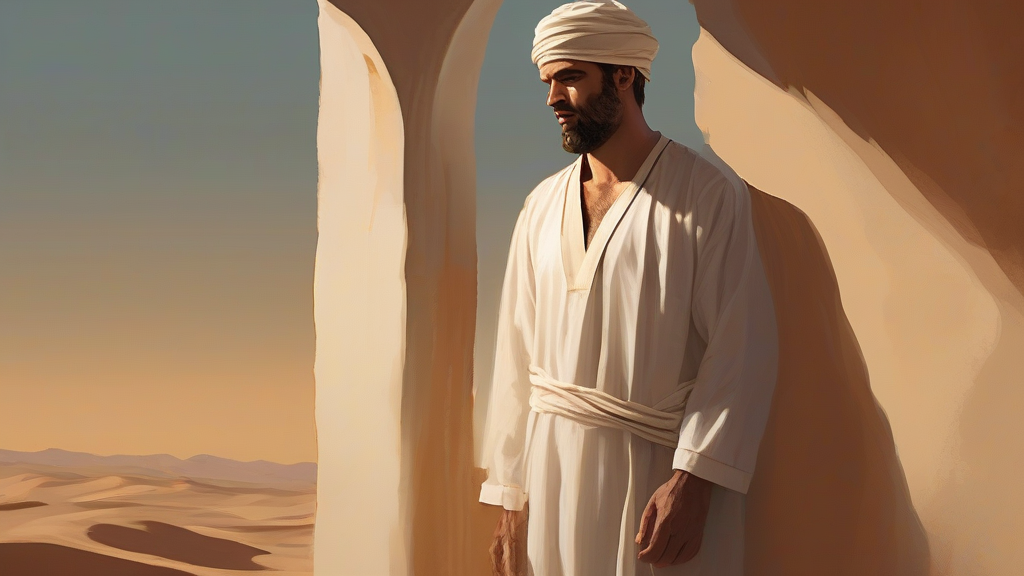
A dishdasha is a long, loose-fitting robe reaching to the ankles, with long sleeves and usually a collarless or buttoned neckline, worn as everyday dress by men across much of the Arabian Peninsula and other Arab regions. Typically made of cotton or a cotton blend, it is most often white in the Gulf states, where white reflects the intense heat, though grey, brown, and other muted colours are common in cooler months. The garment is both practical and culturally significant: it conveys modesty and tradition, and in business and formal settings a crisp, well-tailored dishdasha is regarded as the equivalent of a Western suit. Regional names vary, including kandura in the United Arab Emirates and thawb in Saudi Arabia, but the underlying garment is broadly similar. In English, 'dishdasha' appears chiefly in journalism, travel writing, and cultural commentary about the Middle East.
nounA long, loose-fitting ankle-length robe with long sleeves, worn by men in many Arab countries, especially the Gulf states; typically white in hot climates and darker shades in winter.
- A long, loose ankle-length robe worn by men in Arab countries, typically white in summer and darker in winter.
"For the formal reception, he wore a crisp white dishdasha with a matching headdress."
"He arrived at the mosque wearing an immaculately pressed dishdasha."
"During the winter months, many Gulf businessmen switch from white to grey or brown dishdashas."
Standard English plural formed with -s; the word itself is a count noun referring to individual garments.
"Rows of freshly laundered dishdashas hung outside the shop in preparation for Eid."
In the Gulf, the humble dishdasha can cost more than a suit — some men pay thousands of dollars for bespoke versions in premium Egyptian cotton.
Reviewed by Deb Chak, Editor. AI-assisted content curated by RJS Tech Solutions LLP.
Etymology of dishdasha
The word 'dishdasha' comes from the Arabic 'dishdāsha' (دشداشة), the name for this traditional male robe. It entered English as a direct loanword through travel and journalistic writing about the Arab world, particularly the Gulf region. It belongs to a small family of Arabic loanwords in English denoting Middle Eastern garments, alongside 'thawb' (also spelled thobe) and 'kandura', which are regional names for closely similar robes.
How dishdasha is actually used
The word is a loanword from Arabic and is used mainly in English-language writing about the Middle East; regional variants of the garment carry different local names, such as kandura in the UAE and thawb in Saudi Arabia. The plural is usually 'dishdashas'.
Easily confused with dishdasha
A dashiki is a brightly patterned West African shirt or tunic, whereas a dishdasha is a plain, full-length Arab robe.
A kaffiyeh is a headscarf worn on the head, while the dishdasha is the body-covering robe worn beneath such headdress.