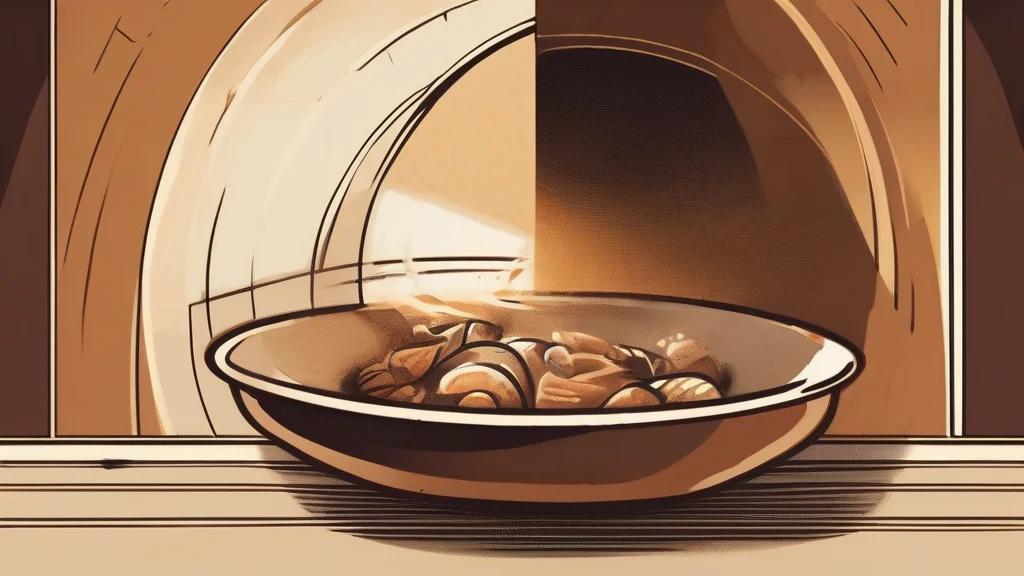
What does dished mean?
"Dished" most often functions as an adjective describing something shaped like a dish — concave, hollowed, or curving inward. Engineers use it of brake rotors and wheels, woodworkers of carved bowls, and cyclists and motorists of dished rims or dished seats. The word derives simply from the noun "dish," which came into Middle English from Old French "dishe," itself from Latin "discus." As the past tense of the verb "dish," it can describe serving up food — as in "she dished out generous portions" — or, in informal British usage, the frustrating of someone's plans or the depriving of them of what they expected: "he was dished out of the promotion." A related idiom, "dish the dirt," uses the same verb in the sense of spreading gossip. In all its senses, "dished" is concrete and vivid, evoking either the familiar shape of tableware or the image of something ladled out — whether food, criticism, or misfortune.
Shaped like a dish; concave or hollowed.
"The dished seat of the antique chair had been worn smooth by generations."
Most common in technical contexts such as engineering and manufacturing.
Past tense of 'dish': to have served food; to have thwarted someone's plans or deprived them of something.
"She dished up a hearty stew for the whole family."
Car enthusiasts prize 'dished' steering wheels — a design borrowed from aircraft cockpits that keeps gauges visible through the wheel's hollow centre.
Reviewed by Deb Chak, Editor. AI-assisted content curated by RJS Tech Solutions LLP.
Etymology of dished
"Dished" comes from the verb "dish," formed directly from the noun "dish," which entered Middle English around the late thirteenth century from Old French "dishe." The French word derives from Latin "discus," meaning a disc or platter, ultimately from Greek "diskos." The figurative senses — serving food, spoiling plans, and dealing out gossip — developed in English from the seventeenth century onward, while the adjectival sense describing anything concave arose naturally by analogy with the shape of a dish.
Related word forms
How dished is actually used
As an adjective, 'dished' is largely technical or descriptive (engineering, ceramics, motoring). The informal sense of being cheated ('dished out of something') is chiefly British.
Easily confused with dished
'Dished' relates to dishes or concave shapes, while 'dashed' means ran quickly or shattered hopes.