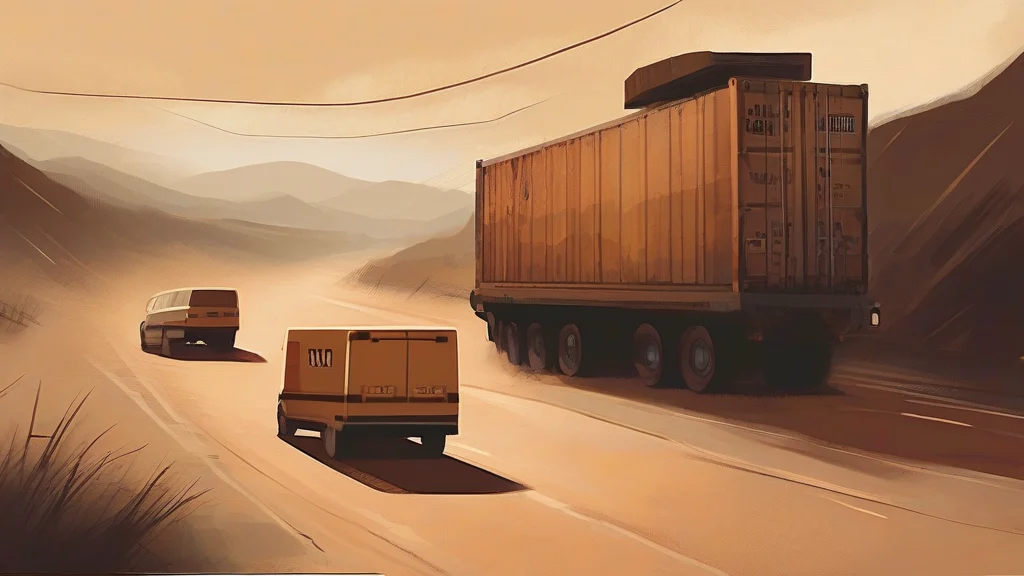
What does dispatched mean?
"Dispatched" is the past tense and past participle of the verb "dispatch," which means to send someone or something off promptly to a destination or for a specific purpose. It is most often used in contexts where speed and efficiency matter: emergency services are dispatched to accidents, troops are dispatched to trouble spots, packages are dispatched to customers, and envoys are dispatched on diplomatic missions. A secondary sense carries a figurative meaning — to complete or dispose of something quickly and decisively, as in "she dispatched her correspondence before lunch." The word has a brisk, businesslike connotation, suggesting competence and urgency rather than casual sending. It appears frequently in journalism, logistics, and military reporting. An older spelling variant, "despatch," survives occasionally in British English but is now largely superseded. For writers seeking a concise way to convey purposeful sending-off, "dispatched" remains the standard choice.
verbPast tense and past participle of "dispatch": to send off (someone or something) to a destination or for a purpose, especially promptly; also, to deal with or finish a task quickly and efficiently.
- Sent off to a destination or for a purpose (people, messages, goods).
- Dealt with or completed quickly and efficiently (a task, meal, opponent).
"The company dispatched a repair team within the hour."
"Ambulances were dispatched to the scene within minutes."
"She dispatched the paperwork in under an hour."
Before email made it instant, being "dispatched with all speed" could mean the difference between winning and losing a war.
Reviewed by Deb Chak, Editor. AI-assisted content curated by RJS Tech Solutions LLP.
Etymology of dispatched
"Dispatch" entered English in the early 16th century, likely borrowed from Italian "dispacciare" or Spanish "despachar," both ultimately derived from Latin roots connected to "pactum" (an agreement) via a Vulgar Latin verb meaning to hasten or get done. It was sometimes spelled "despatch" in British English from the 17th century onward, a variant that persists marginally today. Cognates appear across Romance languages, including Italian "dispaccio" and French "dépêche."
Related word forms
How dispatched is actually used
Formal to neutral register, common in news, business, and military contexts. The figurative sense — finishing something swiftly — is slightly informal but well established. Note the spelling variant "despatch," still seen in British English though "dispatch" is standard everywhere.
Easily confused with dispatched
"Despatched" is merely an older British spelling variant of "dispatched" — same word, same meaning, now less common.
"Detached" means separated or disconnected, whereas "dispatched" means sent off for a purpose.