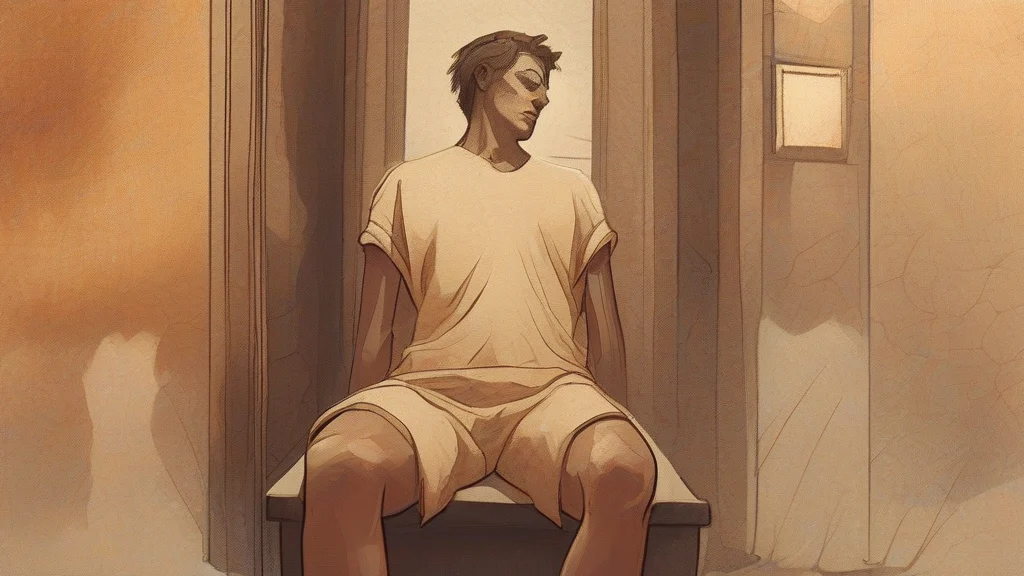
What does dissolute mean?
Dissolute is a formal adjective describing someone who lacks moral restraint, particularly through excessive indulgence in pleasure — drinking, gambling, or sexual license. A dissolute person is not merely imperfect but habitually dissipated: their conduct suggests that self-control has broken down altogether. The word carries a strongly disapproving tone and belongs chiefly to literary and elevated registers, so it rarely appears in casual conversation. It is commonly applied to historical figures and fictional characters, as in "the prince's dissolute youth" or "a dissolute poet who squandered his gifts." Its connotations are heavier than synonyms like "carefree" or "wild," since it implies genuine moral decay rather than mere high spirits. Etymologically it comes from the Latin dissolutus, meaning "loosened," the same root that produced dissolve and solution — an apt origin for a word about character coming undone. For writers seeking a precise, weighty term for unrestrained indulgence, dissolute remains one of the most evocative choices in English.
adjectiveLacking moral restraint, especially in matters of sexual indulgence; given to dissipation and licentious behavior.
- Morally unrestrained; given to sensual or self-indulgent pleasures, especially drinking, gambling, or sexual excess.
"The novel's hero begins as a dissolute young aristocrat, squandering his fortune on drink and gambling."
"After inheriting the estate at twenty-one, he led a dissolute existence until every acre was gone."
"Critics dismissed the painter as a dissolute bohemian whose talents were squandered on taverns and late nights."
Dissolute literally means 'loosened apart' — the same Latin root that gives us dissolve once described a person whose morals had come unglued.
Reviewed by Deb Chak, Editor. AI-assisted content curated by RJS Tech Solutions LLP.
Etymology of dissolute
Dissolute derives from the Latin dissolutus, the past participle of dissolvere, meaning "to loosen, undo, or dissolve" (from dis- "apart" plus solvere "to loosen"). The underlying image is of something — here, moral discipline — having come loose or fallen apart. English adopted the word in the Middle Ages via Old French, and it has carried its sense of moral laxity ever since. It shares this Latin root with words such as dissolve, resolve, and soluble.
Related word forms
How dissolute is actually used
Dissolute is a formal, literary word carrying strong disapproval; it typically describes a habitual way of life rather than a single act. It appears most often in historical fiction, biography, and criticism, and is somewhat old-fashioned in everyday speech.
Easily confused with dissolute
"Desolate" means deserted, barren, or wretchedly lonely, while "dissolute" means morally unrestrained or given to indulgence — they sound similar but describe entirely different things.