What does distemper mean?
Distemper has two principal modern meanings. First, it is a highly contagious viral disease that affects dogs and related animals, producing fever, coughing, vomiting, and sometimes fatal neurological damage; vaccination has made it largely preventable in pets. Second, distemper is a traditional water-based paint made by mixing pigments with a binder such as glue or casein; prized for its matte finish and breathable quality, it was long used on interior walls and remains popular in heritage and restoration work. An older, now archaic sense referred broadly to a disorder of the body or mind — an illness or a fit of ill humor. The word derives from Latin 'distemperare,' meaning to mix improperly or upset the balance, which links both meanings: one to bodily imbalance, the other to the mixing of paint. In contemporary use, the veterinary sense dominates in American English, while the painting sense survives strongly in British usage and among decorators working on older buildings.
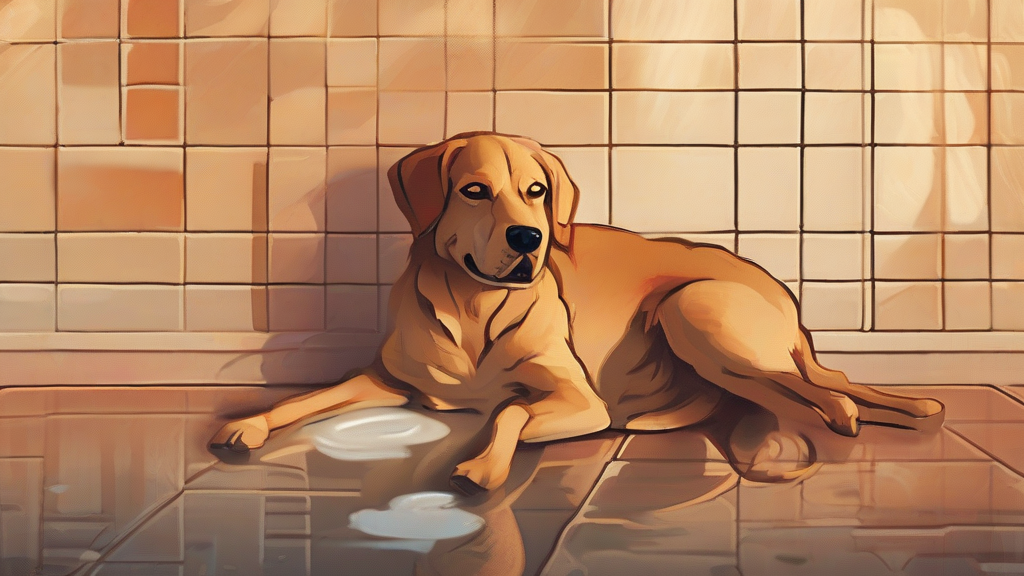
An infectious viral disease of dogs and certain other animals characterized by fever, respiratory signs, and often neurological symptoms.
"Outbreaks of distemper among raccoons have raised concern for local pets."
A paint made from pigment mixed with water and a glue or casein binder, used mainly on interior plaster walls.
"She chose pale blue distemper for the cottage bedroom."
(Archaic) A physical or mental disorder; a state of disturbed temper or health.
"He spoke of the king's distemper of mind."
The plural is rare but may appear when referring to multiple types of distemper paint or multiple cases of the disease.
"The shop stocked several distempers in muted historic shades."
The same word names a deadly dog disease and the chalky wall paint of old cottages — both trace back to the Latin for 'to mix properly.'
Reviewed by Deb Chak, Editor. AI-assisted content curated by RJS Tech Solutions LLP.
Etymology of distemper
Distemper comes from the Late Latin 'distemperare,' formed from 'dis-' ('apart,' implying imbalance) and 'temperare' ('to mix properly' or 'moderate'). The word entered English via Old French 'destemprer,' originally meaning to disturb the proper balance of the body's humors — hence its early medical sense of illness or mental disorder. The paint meaning arose from the idea of mixing pigment with a binding medium, attested from around the 14th century in English craft contexts. It shares its root with 'temper,' 'temperature,' and 'temperament.'
Related word forms
How distemper is actually used
"Distemper" as a disease is chiefly veterinary and formal; as a paint it is more common in British English and historical or restoration contexts. The sense of 'ill temper' is now archaic.
Easily confused with distemper
"Distemper" is the noun for a disease or a type of paint, while "distempered" is its adjectival form describing something affected by the disease or painted with distemper.