What does dittany mean?
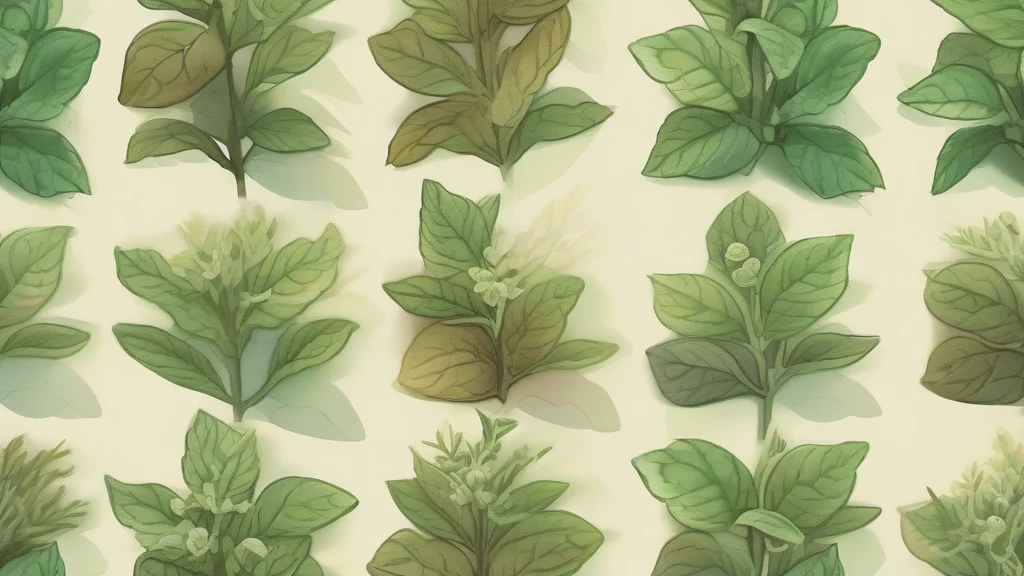
Dittany is the common name for Origanum dictamnus, a low-growing, aromatic perennial herb native to the mountains of Crete, where it clings to rocky crevices and bears rounded, woolly leaves and clusters of pink flowers. A member of the mint family related to oregano and marjoram, it has been prized since antiquity as a medicinal herb — ancient Greek writers credited it with healing wounds — and it remains used today as a flavoring and in herbal teas and liqueurs. Because the name was applied loosely over the centuries, it also attaches to other plants: the North American Cunila origanoides is often called dittany or gas plant, and European Dictamnus albus (the burning bush) is sometimes confused with it, though they are botanically unrelated. Writers usually say 'dittany of Crete' when they mean the original herb. The word carries an old-world, herbalist connotation, evoking mountain air, folk remedies, and Mediterranean landscapes, and it gained fresh popular recognition through its appearance in the Harry Potter novels as a wound-healing plant.
nounA fragrant Mediterranean plant of the mint family (Origanum dictamnus, also called Cretan dittany or hop marjoram), formerly valued in herbal medicine; the name is also applied to a related American plant of the genus Cunila (gas plant, Cunila origanoides), and historically to other aromatic herbs.
- Origanum dictamnus, an aromatic Cretan herb of the mint family, used since antiquity as a medicinal and culinary plant.
- Any of several other plants called dittany by extension, especially Cunila origanoides of North America.
"On the sun-baked Cretan hillside, tufts of dittany clung to the limestone crevices, their fuzzy leaves releasing a warm, oregano-like scent."
"The herbalist steeped dried dittany in hot water to make a fragrant infusion for settling the stomach."
"In her garden on the hillside above Knossos, she grew thyme, sage, and a patch of delicate pink-flowered dittany."
Rarely used in the plural; dittany normally appears as an uncountable mass noun for the herb itself, or singular when naming a type of plant.
"The nursery offered two dittanies: the true Cretan species and its hardy American cousin."
Dittany was so prized in ancient Greece that wild goats were said to seek it out and chew it to heal themselves when wounded by arrows — one reason medieval herbalists called it a panacea.
Reviewed by Deb Chak, Editor. AI-assisted content curated by RJS Tech Solutions LLP.
Etymology of dittany
The English word dittany comes via Old French 'ditan' and Latin 'dictamnum' (or 'dictamnus') from Greek 'diktamnon', the ancient name for the Cretan healing herb, itself probably formed from Mount Dikte (Dicte) in Crete combined with 'thamnos', meaning shrub. The term entered English in the Middle Ages through herbal writing, where it named both the true Cretan plant and various other aromatic herbs believed to share its virtues. Its Greek root also underlies the modern botanical genus name Dictamnus, now applied to the unrelated burning bush, preserving a long history of association between these plants in the herbal tradition.
How dittany is actually used
Dittany is a somewhat literary and specialist word, encountered mainly in discussions of herbal medicine, botany, cooking, and fantasy fiction. When precision matters, writers often specify 'dittany of Crete' to distinguish Origanum dictamnus from the various other plants that have borrowed the name. In J.K. Rowling's Harry Potter series, dittany appears as a magical healing potion ingredient, which has made the word familiar to many readers who would otherwise never meet it.
Easily confused with dittany
Diptam (or burning bush, Dictamnus albus) is an unrelated Eurasian perennial whose volatile oils can ignite, whereas dittany is a low-growing aromatic herb of the mint family used medicinally and culinarily.
Dictamnus refers to the genus of the gas plant (burning bush), while dittany properly names Origanum dictamnus of the mint family — the shared species epithet reflects historical confusion rather than botanical kinship.