
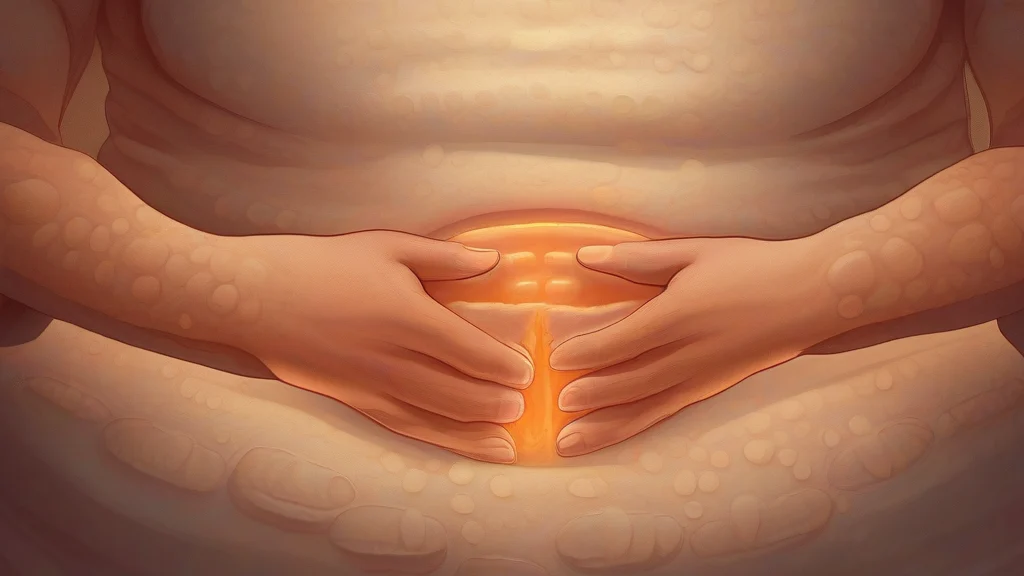
What does diverticulitis mean?
Diverticulitis is a medical noun denoting the inflammation of diverticula — small, balloon-like pouches that can develop in the wall of the large intestine. When these pouches become blocked by waste matter or bacteria and subsequently inflamed or infected, the result is abdominal pain, most commonly on the lower left side, along with fever, nausea, and altered bowel habits. The condition exists on a spectrum: many people carry the painless pouches (a state called diverticulosis) without ever knowing it, but only when they become inflamed does the word diverticulitis apply. Attacks range from mild episodes treated with rest, dietary adjustment, and oral antibiotics to severe cases requiring hospitalisation or surgery. Because the condition becomes more common with age, particularly in Western populations where diets may be low in fibre, the term appears frequently in health journalism, medical literature, and everyday conversation among older adults.
nounInflammation of one or more diverticula (small pouches) in the wall of the colon, typically causing abdominal pain, fever, and changes in bowel function. It is a common complication of diverticulosis, a condition in which such pouches form in the intestinal wall.
- Inflammation of one or more diverticula in the colon, typically producing abdominal pain (often in the lower left quadrant), fever, and bowel disturbances.
"After several days of sharp pain in his lower left abdomen, the doctor diagnosed him with diverticulitis."
"A high-fibre diet is often recommended after recovery from an attack of diverticulitis."
"Severe diverticulitis may require hospitalisation, intravenous antibiotics, or even surgery."
The '-itis' ending means inflammation — so while having pouches in your gut (diverticulosis) may cause no trouble at all, when those pouches flare up into diverticulitis, it can feel like appendicitis of the left side.
Reviewed by Deb Chak, Editor. AI-assisted content curated by RJS Tech Solutions LLP.
Where does diverticulitis come from?
The word diverticulitis combines 'diverticulum', from Latin meaning 'a turning aside' or 'by-path' (from 'devertere', to turn away), with the Greek-derived suffix '-itis', indicating inflammation. The term entered medical English in the nineteenth century as physicians began systematically naming inflammatory conditions with this classical suffix, following the pattern of colitis and appendicitis. Its Latin root also underlies related terms such as diverticular and diverticulosis.
Related word forms
How diverticulitis is actually used
Diverticulitis is a formal medical term used chiefly in clinical contexts; laypeople more often speak of an 'attack' or 'flare-up'. It should not be confused with diverticulosis, which describes the asymptomatic presence of the pouches themselves.
Easily confused with diverticulitis
Diverticulosis is the presence of small pouches in the colon wall, usually without symptoms, whereas diverticulitis is inflammation of those pouches that causes pain and other symptoms.