What does dominie mean?
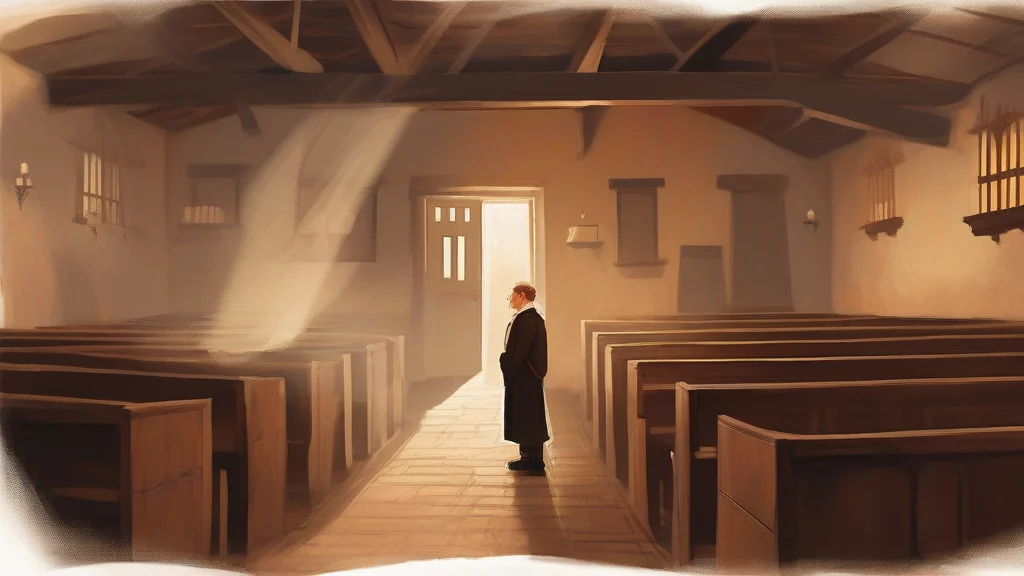
A dominie is a schoolmaster or teacher, a word most closely associated with Scotland, where it long served as the customary title for the master of a parish school. In the United States it took on a second life among descendants of Dutch settlers, for whom a dominie was a minister of the Reformed Church. The word derives from the Latin domine, a form of address meaning 'master' or 'sir', which entered English through ecclesiastical and educational use. In Scottish literature the dominie became a beloved stock figure: stern but kindly, learned in Latin, and central to village life. Today the term is largely archaic or regional, encountered mainly in historical writing and classic fiction, yet it retains a distinctive charm. Its connotations are warm and respectful, evoking the era of the one-room schoolhouse, and it remains useful to writers seeking an evocative alternative to plain words like teacher or schoolmaster.
A schoolmaster or teacher, especially one who taught at a parish school in Scotland.
"Every child in the glen had been taught their letters by the same grey-haired dominie."
Now chiefly historical or literary; strongly associated with Scottish rural life.
A clergyman or pastor, particularly in Dutch Reformed congregations in the United States.
"The dominie preached a sermon on gratitude that autumn morning in Albany."
Regular plural; used when referring to several teachers or ministers.
"Two dominies presided over the neighbouring parishes for nearly forty years."
In Scotland, 'the dominie' was once such a fixed village institution that writers like J. M. Barrie and James Barke made him a stock character — one man, one schoolhouse, every child in the glen.
Reviewed by Deb Chak, Editor. AI-assisted content curated by RJS Tech Solutions LLP.
Etymology of dominie
Dominie comes from the Latin domine, the vocative form of dominus, meaning 'master' or 'lord'. The word entered English in the early 17th century, first as a respectful form of address to a schoolmaster or clergyman, before settling into use as a noun. It shares its root with a broad family of English words built on dominus, including dominion, dominate, and domain. A related form, domine, was used specifically for Dutch Reformed pastors, and this sense carried into American usage as dominie.
How dominie is actually used
Chiefly Scottish and somewhat archaic when applied to schoolmasters; in American English it survives mainly in historical contexts relating to Dutch settlements in New York and New Jersey, where it denotes a Reformed minister. The word carries a warm, nostalgic, often literary connotation rather than neutral modern usage.
Easily confused with dominie
A domino is a small masked figure, a game tile, or a loose hooded cloak, whereas a dominie is a schoolmaster or minister.
Domine is the Latin vocative meaning 'master' (or a title for a Dutch Reformed clergyman), from which dominie was derived as an English noun.