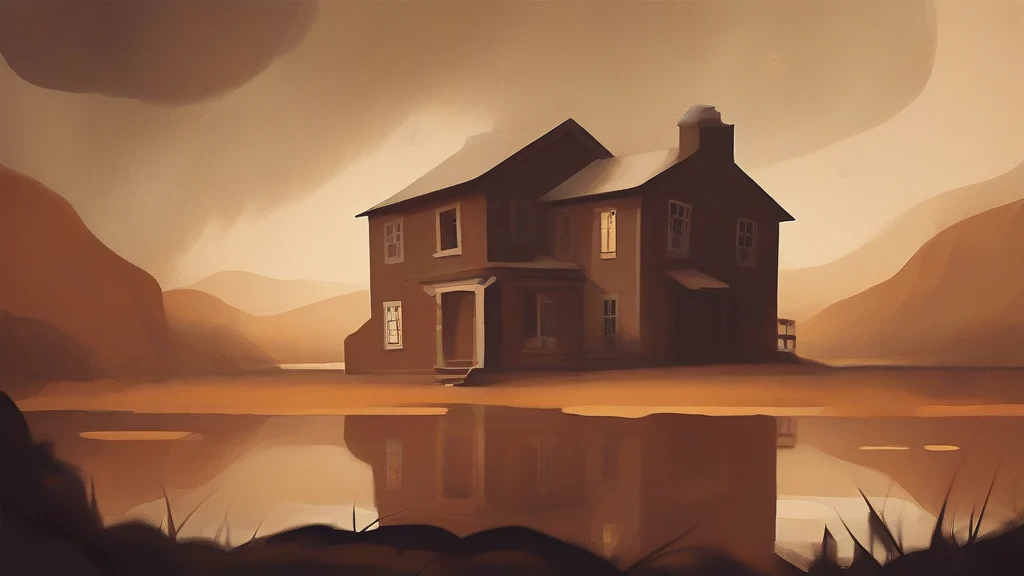
What does drab mean?
Drab is an adjective describing things that are dull, colourless, and lacking in brightness, charm, or interest. A drab building might be painted a flat grey; a drab routine might feel endlessly repetitive and uninspiring. The word can also apply to people's appearance or manner, suggesting something dowdy or characterless, though this use should not be confused with outright criticism of personality — drab implies an absence of vivacity rather than any moral failing. As a noun, drab names a dull brownish-grey colour, originally associated with undyed woollen cloth, and it still appears occasionally in design and fashion writing. The word entered English in the late seventeenth century, apparently from the older colour term, though its deeper origins remain obscure. Today it is most often applied to environments and experiences — drab offices, drab weather, a drab existence — making it a precise and evocative choice when you want to convey monotony and visual flatness without resorting to harsher words like ugly or squalid.
Dull, colourless, and lacking brightness or interest; drearily ordinary.
"The hotel lobby was furnished in drab browns and beiges."
Most common sense today; applies especially to buildings, clothing, weather, and routines.
A dull light brown or grey-brown colour.
"He painted the shed a serviceable drab."
Chiefly used in fashion, military, and design contexts; also seen in phrases such as 'olive drab'.
(Archaic) A dirty, untidy woman; historically, a prostitute.
"The novel depicts the drabs and petty criminals of eighteenth-century London."
Historical and literary register only; rare in modern usage.
The plural applies to countable noun senses, chiefly the archaic sense of untidy women; the colour sense is typically uncountable.
"The play's cast of beggars and drabs filled the stage with noise."
Before it meant dull and dreary, "drab" was literally the name of a dull yellowish-brown cloth colour — so calling your day drab is really comparing it to beige fabric.
Reviewed by Deb Chak, Editor. AI-assisted content curated by RJS Tech Solutions LLP.
Etymology of drab
The adjective "drab" emerged in English in the late seventeenth century, derived from an earlier noun denoting a dull yellowish-brown colour, itself probably named after cloth of that hue. The ultimate origin of the word is uncertain, and no secure cognates in other languages have been established. A separate, now-archaic noun sense referring to an untidy woman or prostitute appears to have developed independently, possibly influenced by Irish or Scottish Gaelic sources.
Related word forms
How drab is actually used
"Drab" carries a mildly negative connotation of cheerlessness rather than ugliness — it suggests an absence of colour and vitality more than active unpleasantness. It is common in both British and American English and suits neutral-to-formal registers, frequently describing buildings, weather, clothing, routines, and lives. The noun sense referring to a prostitute is now archaic and largely historical; the colour sense survives mainly in fashion and design contexts.
Easily confused with drab
"Drub" is a verb meaning to beat soundly or defeat decisively, whereas "drab" describes something dull and colourless.