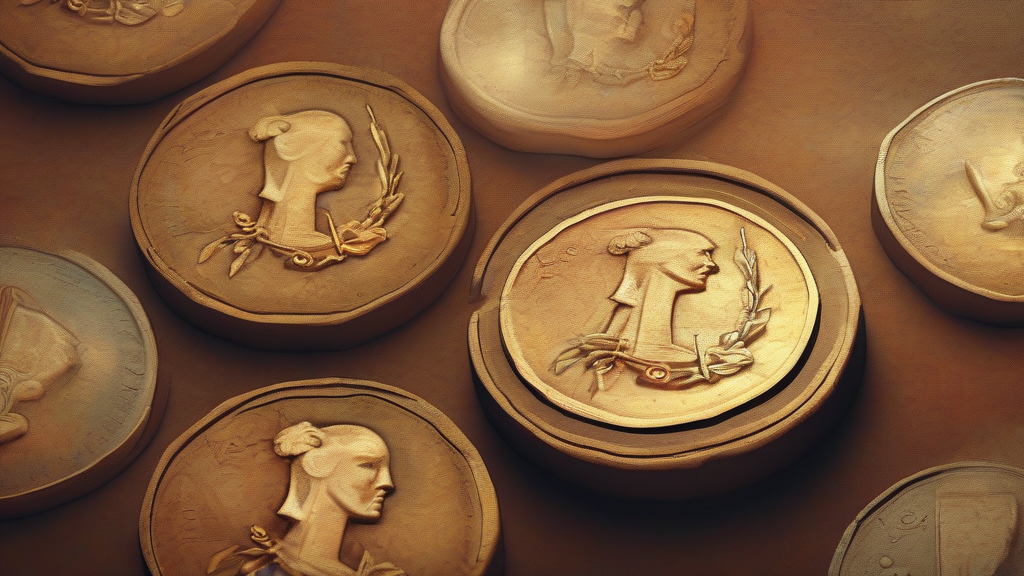
What does drachmae mean?
Drachmae is the plural of drachma, a word with a remarkable span of history stretching from antiquity to the twenty-first century. In its oldest sense, a drachma was a silver coin of ancient Greece — the standard currency of city-states such as Athens — and the term survives today chiefly in accounts of classical history, archaeology, and coin collecting, where hoards of drachmae are frequently unearthed and catalogued. The name was revived in the nineteenth century for the national currency of modern Greece, which circulated until 2002, when the euro replaced it; older Greeks may still recall prices once quoted in drachmae. The plural is heard less often than the singular in everyday speech but remains standard in scholarly and financial-historical contexts. An alternative plural, drachmas, is equally acceptable, particularly for the modern currency.
noun (plural of drachma)Drachmae is the plural of drachma, an ancient Greek unit of weight and silver coin, and also the former basic monetary unit of modern Greece before adoption of the euro.
- Silver coins of ancient Greece bearing the denomination drachma.
- Former monetary unit of modern Greece, replaced by the euro in 2002.
"The archaeologists catalogued hundreds of silver drachmae unearthed from the Athenian agora."
"Museum cases gleamed with gold and silver drachmae minted under Alexander the Great."
"Old-timers still recalled prices quoted in drachmae before Greece adopted the euro."
Both plurals are standard; 'drachmae' follows the Greek-style plural and is common in academic writing about ancient coins, while 'drachmas' is frequent in everyday references to modern Greek money.
"She paid the ferryman a few worn drachmas, though the guidebook had listed fares in drachmae."
The word 'drachma' literally means 'a handful' — it originally referred to a fistful of six iron obols that ancient Greeks used as currency.
Reviewed by Deb Chak, Editor. AI-assisted content curated by RJS Tech Solutions LLP.
Etymology of drachmae
Drachma comes from the ancient Greek drakhmē, meaning 'a handful', from the verb drassesthai, 'to grasp'. The coin's name arose because the original drachma was reckoned as a handful of six iron obol coins. The word passed into Latin as drachma and entered English via Latin and French, first applied to the ancient coin and later to the modern Greek monetary unit established after Greek independence. Related borrowings include the apothecary's unit the drachm, from the same Greek root.
Related word forms
How drachmae is actually used
Drachmae is one accepted English plural of drachma; 'drachmas' is also common, especially in reference to modern Greek currency. The plural form appears most often in historical, archaeological, and numismatic writing.
Easily confused with drachmae
A dram is a British unit of fluid measure or apothecaries' weight derived from the same Greek root, whereas drachmae refers to ancient Greek coins or former Greek currency.