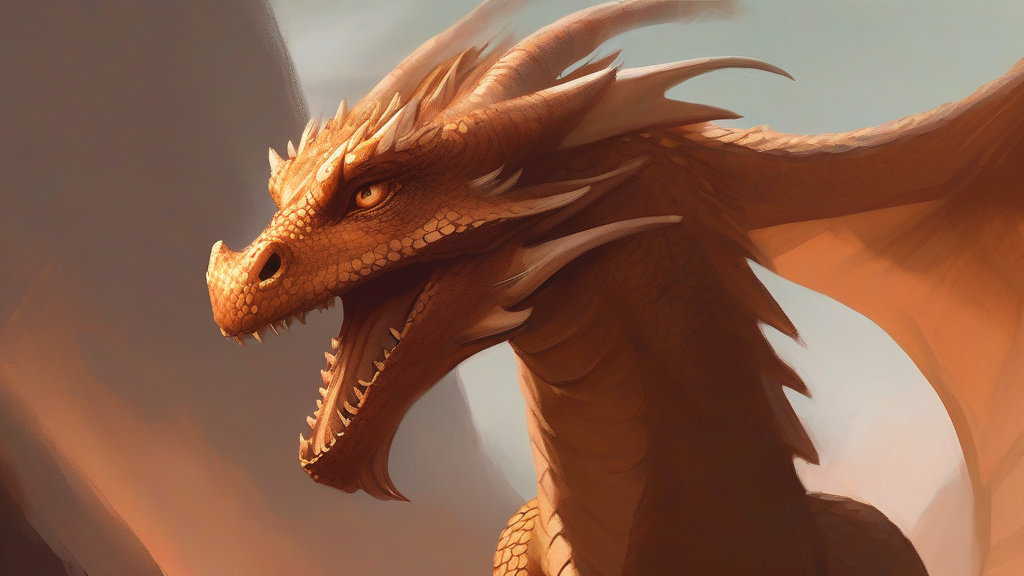
What does dragoness mean?
A dragoness is a female dragon — a creature of mythology, legend, and modern fantasy distinguished by its sex from dragons in general. The word is built by attaching the feminine suffix "-ess" to "dragon," following the pattern of words like "lioness" and "tigress." In literature, the dragoness often appears as a guardian of treasure or eggs, a mate or counterpart to a male dragon, or simply an especially fearsome specimen of the species. Beyond its literal use, the word has occasionally been applied figuratively to a woman regarded as fierce, intimidating, or domineering, much like "virago" or "termagant" — a sense that today reads as dated and disparaging. Because "dragoness" remains uncommon outside fantasy contexts, it lends writing a deliberately archaic or literary flavor. Writers reach for it when they want to emphasize femininity in a creature otherwise assumed to be sexless, or when they wish to evoke the full weight of legendary menace in feminine form.
A female dragon, especially as depicted in mythology, legend, or fantasy fiction.
"Legend told of a dragoness whose scales shimmered like molten gold."
Primarily found in fantasy literature and mythological retellings rather than everyday speech.
Figuratively, a fierce, formidable, or domineering woman.
"Colleagues whispered that the new editor-in-chief was a dragoness who tolerated no sloppiness."
This figurative sense is dated and disparaging; avoid it in neutral or respectful contexts.
The plural adds "-es" because the singular ends in an "s" sound.
"The ancient text described three dragonesses coiling around the mountain's peak."
Add just two letters to 'dragon' and you get a word rare enough that spellcheck questions it — yet fantasy authors have used it for centuries to give their fiercest creatures a feminine edge.
Reviewed by Deb Chak, Editor. AI-assisted content curated by RJS Tech Solutions LLP.
Etymology of dragoness
The word "dragoness" combines "dragon" with the feminine suffix "-ess," which English borrowed from Old French (from Latin "-issa") and used prolifically in Middle English to form female designations such as "lioness" and "empress." The root noun "dragon" itself derives from Latin "draco," meaning serpent or dragon, which in turn comes from Greek "drakon," a word related to verbs meaning "to see" or "to watch," fitting for a creature said to guard its hoard with keen eyes. The suffix "-ess" fell out of productive fashion in modern English, leaving words like "dragoness" sounding distinctly literary or archaic compared with their unsuffixed counterparts.
How dragoness is actually used
"Dragoness" is a relatively rare word, formed with the feminine suffix "-ess." Its literal sense appears mostly in fantasy fiction and retellings of myth, while its figurative sense carries a strongly negative, somewhat old-fashioned connotation and is best used with awareness of its dismissive tone toward women.
Easily confused with dragoness
Dragon refers to the mythical creature generally (or either sex), while dragoness specifically denotes a female dragon.