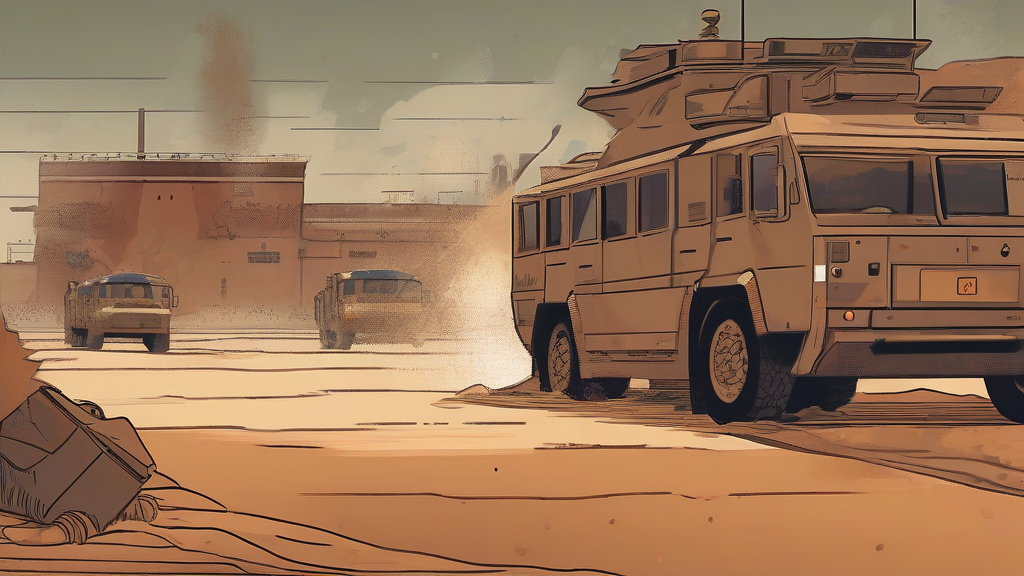
What does drawdown mean?
Drawdown is a noun denoting a reduction or depletion of something held in reserve. It appears across several specialised domains: in military affairs it describes the planned withdrawal and scaling-back of troops; in water management it refers to deliberately lowering the level of a reservoir; in personal finance, particularly in Britain, it describes drawing an income directly from a pension pot rather than buying an annuity; and in investment management it measures how far the value of a portfolio falls from its peak to its lowest point before recovering, with "maximum drawdown" serving as a standard gauge of downside risk. The word carries a neutral, technical tone, though it can suggest loss or retrenchment depending on context. Its usefulness lies precisely in this range: whether discussing dams, defence budgets, retirement savings, or trading strategies, drawdown names the process and extent of something being drawn down or run off.
A reduction or depletion of something, especially a gradual withdrawal of troops, funds, or resources, or a lowering of a water level.
"The government confirmed a phased drawdown of peacekeeping forces over the next eighteen months."
In UK personal finance, "pension drawdown" specifically means taking income directly from a pension fund while it remains invested.
In finance, the fall in the value of an investment or portfolio from a peak to a subsequent trough.
"Analysts noted that the fund's worst historical drawdown was 35 per cent."
"Maximum drawdown" is a standard risk measure comparing the highest peak to the lowest subsequent valley.
The plural is regular and commonly used when referring to multiple instances of reduction, particularly successive declines in investment value.
"The portfolio suffered several deep drawdowns during the turbulent decade."
In finance, "maximum drawdown" measures how far an investment fell from its peak — the number that keeps hedge-fund managers awake at night.
Reviewed by Deb Chak, Editor. AI-assisted content curated by RJS Tech Solutions LLP.
Etymology of drawdown
Drawdown is formed transparently within English from the verb phrase "draw down" — combining "draw" (from Old English dragan, meaning to pull or drag) with the adverb "down" — converted into a noun in the manner typical of English phrasal compounds. It emerged in modern usage, becoming established in military and financial contexts during the twentieth century. It shares its root with related words built on "draw" such as drawback and withdrawal, though these are separate formations rather than true cognates from another language.
How drawdown is actually used
Drawdown is a formal or technical term common in military planning (a drawdown of forces), hydrology and reservoir management, personal finance (UK pension drawdown), and investment management (maximum drawdown as a risk metric). Its connotations are neutral to slightly negative, implying deliberate reduction or unwelcome loss rather than sudden collapse.
Easily confused with drawdown
A withdrawal is the act of taking money out or removing oneself, whereas a drawdown is the measured reduction or decline itself — often the amount drawn down from a fund or the fall from a peak value.
"Drawn down" is the past participle of the phrasal verb "to draw down", while "drawdown" is the single noun naming the reduction.