
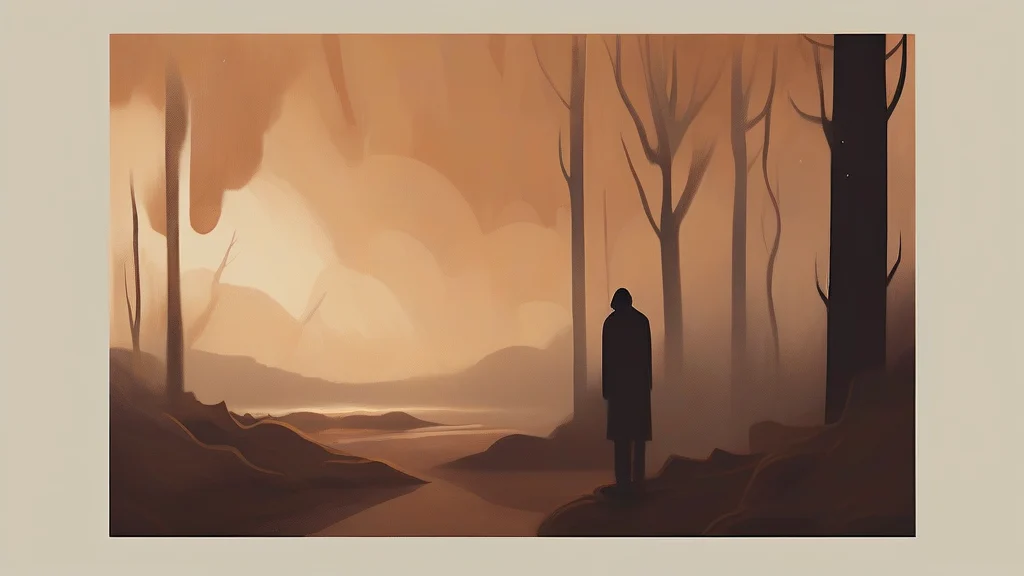
What does drearier mean?
Drearier is the comparative form of the adjective dreary, meaning more gloomy, bleak, or depressingly dull. It is used to compare two things, one of which is more cheerless or monotonous than the other — weather, landscapes, rooms, routines, prose, or prospects. A sentence such as 'The weather turned drearier by the hour' shows its typical application to atmosphere and mood. The word carries strongly negative connotations, suggesting both sadness and tedium: something drearier is not merely darker but more dispiriting and lifeless. It appears comfortably in both formal writing and everyday speech. Historically, drearier descends from the Old English drēorig, which originally meant gory or bloody before shifting to mean sad — a striking semantic journey from gore to gloom. Writers reach for drearier when they want to intensify bleakness while keeping a slightly literary tone.
adjectiveComparative form of 'dreary': more gloomy, dull, bleak, or depressingly monotonous than something else.
- More gloomy, bleak, or cheerless than something else.
- More dull or tediously monotonous than something else.
"The weather grew even drearier as November wore on."
"Each winter in the city felt drearier than the last."
"The report's later chapters were even drearier than its opening pages."
Before it meant 'gloomy,' the Old English ancestor of 'dreary' literally meant 'gory' — dripping with blood.
Reviewed by Deb Chak, Editor. AI-assisted content curated by RJS Tech Solutions LLP.
Etymology of drearier
Drearier is the comparative of dreary, which comes from Old English drēorig, originally meaning 'gory, bloody,' derived from drēor ('blood'). Over the Middle English period the sense shifted from physical gore to emotional misery, yielding the modern meaning of sad and gloomy. Cognates appear in other Germanic languages, reflecting a shared Germanic root for blood; the rarer literary variant 'drear' belongs to the same family.
Related word forms
How drearier is actually used
Standard comparative of 'dreary'; used in both formal and informal registers, often for weather, landscapes, or tedious situations.
Easily confused with drearier
'Dreamier' means more dreamlike or vague and romantic, while 'drearier' means more gloomy or depressing.