What does durum mean?
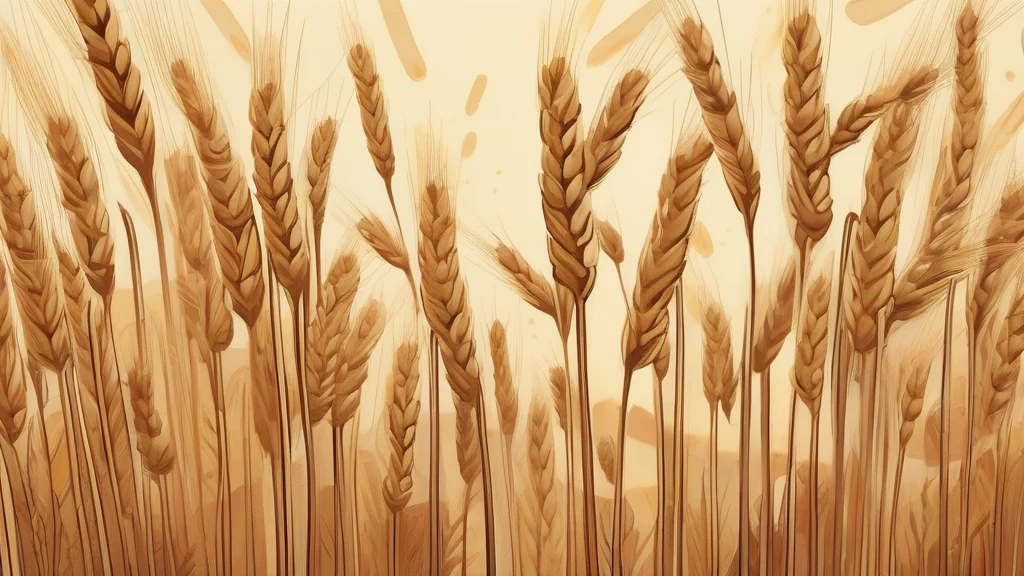
Durum is a hard variety of wheat, scientifically known as Triticum durum, prized for its exceptionally high protein and gluten content. Its name comes from the Latin word for 'hard', a fitting description of both the grain itself and the firm texture it gives to cooked pasta. When milled, durum produces semolina — the coarse golden flour used to make dried pasta, couscous, and certain traditional breads, particularly across the Mediterranean and North Africa. In everyday English, the word almost always appears in the phrase 'durum wheat', especially on food packaging and in recipes, where it signals quality: pasta labelled as being made from 100% durum wheat is expected to hold its shape and offer a pleasingly firm bite. The word is a technical but familiar term in culinary contexts, carrying connotations of authenticity and craftsmanship rather than any emotional colouring.
nounA hard variety of wheat (Triticum durum) with a high protein and gluten content, used chiefly to make semolina and pasta such as spaghetti and macaroni.
- A species of hard wheat (Triticum durum) with high gluten content, milled into semolina for making pasta, couscous, and some breads.
- (attributive) Relating to or made from this wheat, as in 'durum semolina' or 'durum flour'.
"The pasta's firm bite comes from the high-quality durum grown on the Canadian prairies."
"Italy's finest dried pasta is made exclusively from durum wheat."
"Farmers in Saskatchewan harvest more durum than almost anywhere else in the world."
Rarely pluralised in practice; when referring to different varieties or crops, 'durum varieties' or 'durum wheats' is more common.
"Breeders are developing new durums better suited to drought conditions."
The word 'durum' simply means 'hard' in Latin — which is exactly why it makes the best pasta in the world.
Reviewed by Deb Chak, Editor. AI-assisted content curated by RJS Tech Solutions LLP.
Etymology of durum
Durum derives directly from the Latin adjective 'durus', meaning 'hard', and was adopted into English as part of the scientific name Triticum durum, later shortened to standalone use. It shares its root with English words such as durable, endure, and duress, all tracing back to the same Latin source. The term entered general English usage through agricultural and milling literature in the nineteenth century, when durum wheat cultivation expanded beyond the Mediterranean.
Related word forms
How durum is actually used
Almost always encountered in the fixed phrase 'durum wheat'; the word rarely stands alone outside agricultural or culinary writing. It is a neutral, technical term with no informal or figurative uses.
Easily confused with durum
Durham is an English city and county (and the breed of cattle named after it), while durum is a hard wheat variety used for pasta.