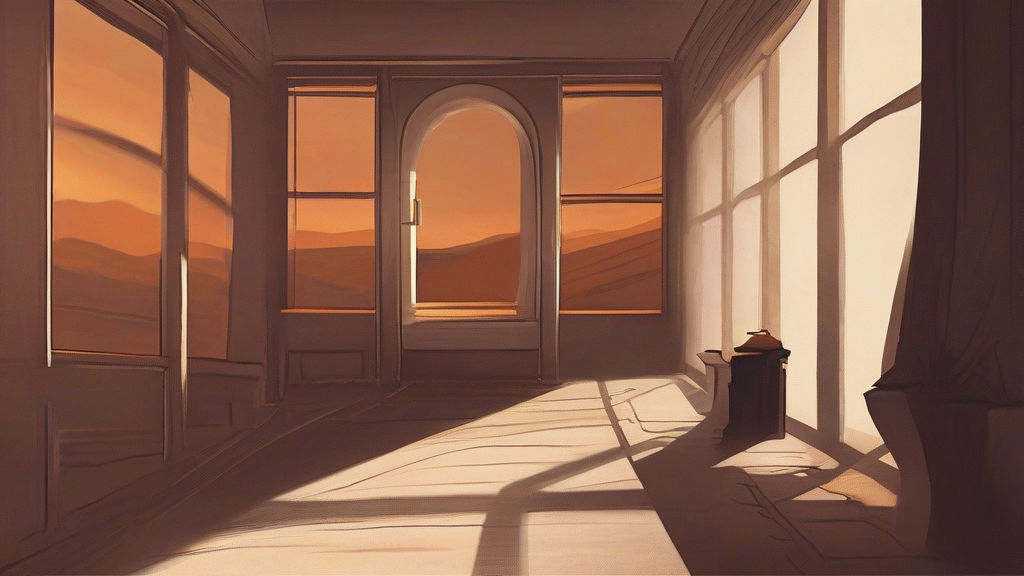
What does duskish mean?
"Duskish" is a rare literary adjective describing something somewhat dark or dim, especially with the soft, fading quality of twilight. Formed from the old English word "dusk" plus the familiar suffix "-ish," it literally means "rather like dusk." It is used almost entirely in descriptive writing — of skies, rooms, landscapes, or moods — where a writer wants to suggest that full darkness has not yet arrived but daylight is draining away. A garden might grow duskish at sundown; a house might feel duskish before the lamps are lit. Because the word appears only occasionally in print, it carries a slightly poetic, old-fashioned flavor, and readers will more often encounter its common cousin "dusky." For those who enjoy precise shades of meaning, however, "duskish" fills a genuine gap: it names not darkness itself but the transitional, half-lit state on the way to night, making it a quietly useful word for evocative prose.
adjectiveSomewhat dark or dim; approaching or resembling the low light of dusk.
- Somewhat dark or dim, like or suggestive of dusk.
"They set out across the fields in the duskish light of early evening."
"The garden turned duskish as the sun slipped behind the hills."
"She loved the duskish quiet of the house just before the lamps were lit."
Duskish takes one of English's oldest native words for darkness and adds the humble suffix "-ish" — proof that even twilight can be made tentative.
Reviewed by Deb Chak, Editor. AI-assisted content curated by RJS Tech Solutions LLP.
Etymology of duskish
"Duskish" is formed within English by adding the adjectival suffix "-ish" to "dusk," a native Germanic word recorded since Middle English and descended from Old English "dox," meaning dark-colored or swarthy. The same root produced "dusky," which long ago became the standard adjective for dimness or darkness of color. Words like "tenebrous" and "crepuscular," borrowed from Latin roots, express similar ideas of shadowy twilight but are unrelated etymologically.
Related word forms
How duskish is actually used
"Duskish" is a rare, literary word; most writers reach for "dusky," "dim," or "twilight" instead. Its tone is gentle and evocative rather than technical, suiting descriptive prose about evening light or atmosphere.
Easily confused with duskish
"Dusky" is a common adjective meaning darkish in color or complexion, while "duskish" specifically suggests the dim quality of twilight itself and is far rarer.