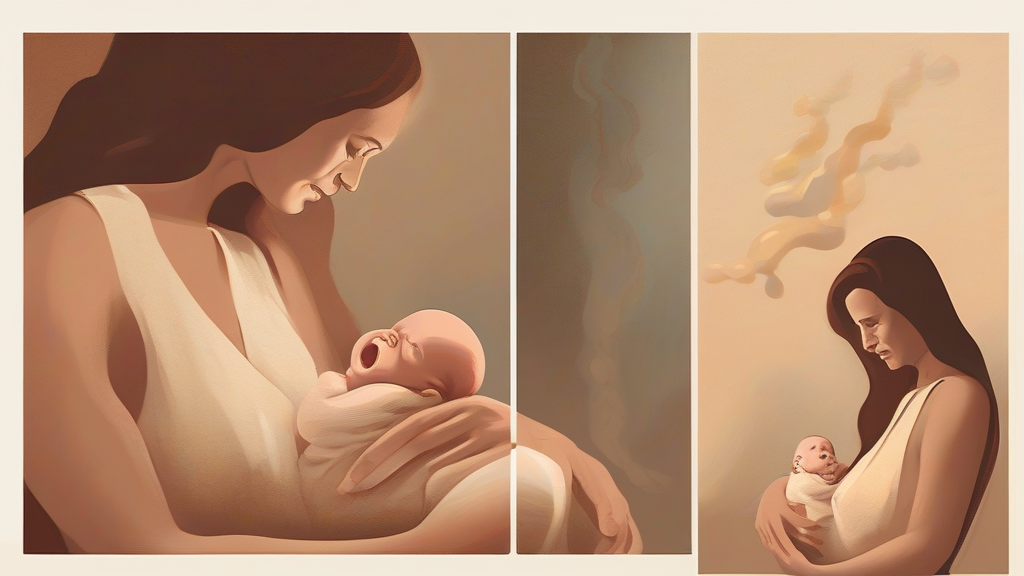
What does dystocia mean?
Dystocia is a medical term meaning difficult or abnormal childbirth. It describes a labour that fails to progress normally, most often because of a size mismatch between the baby and the mother's pelvis, an awkward fetal position such as a shoulder becoming lodged behind the pubic bone, or ineffective uterine contractions. The word comes from Greek roots: dys- ('difficult') combined with tokos ('childbirth'). Dystocia is a serious clinical concern because prolonged labour can endanger both mother and infant, and its management ranges from repositioning techniques and assisted delivery to emergency caesarean section. Although it appears chiefly in obstetric literature and hospital settings, it is also standard vocabulary in veterinary medicine, where it applies to animals giving birth with difficulty. Related terms include eutocia, meaning normal, uncomplicated delivery, which serves as the natural opposite.
nounDifficult or abnormal childbirth, typically involving slow progress of labour due to problems such as an unfavourable position or size of the fetus relative to the mother's pelvis.
- Difficult or abnormal labour and childbirth, whether from fetal malposition, size mismatch between fetus and pelvis, or uterine dysfunction.
"The midwife recognised early signs of dystocia and called for an obstetric consultation."
"Prolonged dystocia increases the risk of complications for both mother and infant."
"The veterinary team performed a caesarean section after the ewe showed signs of dystocia."
Rarely used; the term usually appears in the singular even when discussing multiple cases, as it functions largely as a mass noun in clinical writing.
"The study compared outcomes across various types of dystocias recorded over a decade."
When a baby's shoulder gets stuck behind the mother's pelvic bone during delivery, obstetricians call it shoulder dystocia — one of the most feared emergencies in the delivery room.
Reviewed by Deb Chak, Editor. AI-assisted content curated by RJS Tech Solutions LLP.
Etymology of dystocia
Dystocia derives from Ancient Greek, combining the prefix dys- ('bad, difficult') with tokos ('childbirth'), so it literally means 'difficult birth'. The term entered English medical usage in the 19th century as obstetrics developed as a clinical discipline. It shares its Greek root with related coinages such as eutocia ('easy or normal birth') and tokophobia ('fear of childbirth'), all built on the same tokos element found in modern medical vocabulary.
How dystocia is actually used
A formal medical term used almost exclusively in clinical, obstetric, and veterinary contexts rather than everyday speech; in general conversation people say 'difficult labour' instead. It is often qualified by cause or location, as in 'shoulder dystocia' or 'cervical dystocia'.
Easily confused with dystocia
Eutocia means normal, unobstructed childbirth, whereas dystocia means difficult or abnormal labour.
Dystrophy refers to a disorder caused by defective nutrition of tissue (as in muscular dystrophy) and has nothing to do with childbirth, despite the shared Greek prefix dys-.