What does eddish mean?
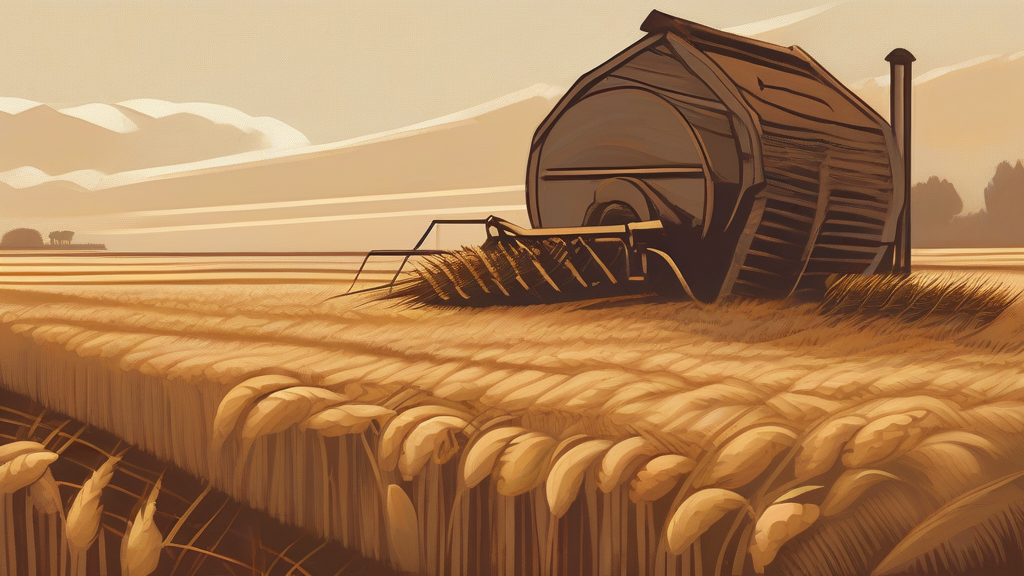
Eddish is an English dialect term for the second crop of grass that springs up in a meadow during the same season, after the first crop has been cut for hay or grazed down. Farmers would often turn livestock onto the eddish in late summer to make use of this fresh regrowth before winter. The word belongs to the vocabulary of traditional agriculture, alongside synonyms such as aftermath, rowen, and foggage, though unlike those terms it has remained almost entirely regional, surviving chiefly in rural parts of northern and central England. It can refer both to the new grass itself and to the field on which it grows. Eddish is never used figuratively; where 'aftermath' has come to mean the consequences of a disaster, eddish retains its literal, pastoral sense. For readers interested in rural life, farming history, or the rich variety of regional English, eddish offers a precise and evocative name for a familiar natural phenomenon that standard English leaves unnamed.
nounA second crop of grass that grows in the same season after the first has been mown or grazed off; also called aftermath or rowen.
- A second growth of grass in the same season, after the first crop of hay has been cut.
- A field or pasture on which such a second growth stands.
"The sheep were turned onto the eddish once the haymakers had finished."
"Cattle were let into the meadow to graze the eddish in late summer."
"The farmer counted on the eddish for extra fodder before winter set in."
Rarely used in the plural, since the word typically refers to a single seasonal regrowth; plural form appears mainly when referring to several fields.
"The tenant farmer held grazing rights over several eddishes along the valley."
Before 'aftermath' became a word for disaster's wake, it meant exactly what eddish still does: the fresh grass springing up after the harvest.
Reviewed by Deb Chak, Editor. AI-assisted content curated by RJS Tech Solutions LLP.
Etymology of eddish
Eddish derives from Old English edisc, denoting pasture or newly recovered land, formed with the Old English prefix ed-, meaning 'again' or 'back' — the same element seen in words like ednew ('renewed'). The word thus literally conveys the idea of grass growing again after cutting. It has remained in dialectal use since Middle English times, particularly in northern England, and is related to similar compound forms in other Germanic languages built on the same 'again/turn' prefix.
How eddish is actually used
Eddish is now chiefly regional and dialectal, surviving mainly in rural northern and midland England; in standard usage 'aftermath' is far more common. It carries a rustic, agricultural register rather than any figurative meaning.
Easily confused with eddish
Reddish means somewhat red in colour, while eddish is an agricultural term for a second growth of grass after mowing.