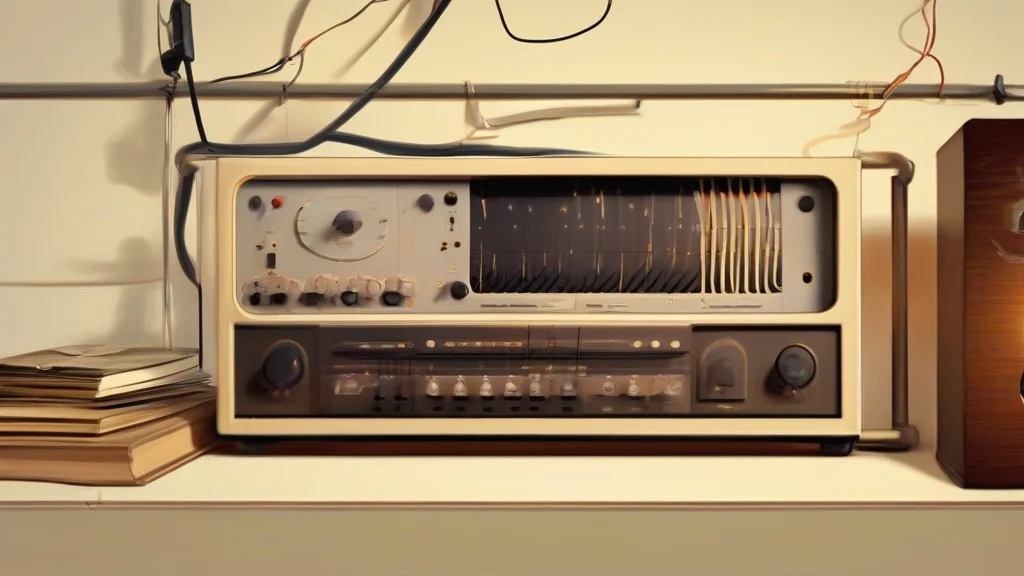
What does electrograph mean?
"Electrograph" is a noun referring to an instrument that records, traces, or reproduces something by means of electricity. In its most common historical sense it denoted laboratory apparatus — often attached to galvanometers or other sensors — that converted an electrical signal into a visible line on paper or another surface, making invisible phenomena such as nerve impulses or heart rhythms legible to the eye. The word could also refer to the resulting print or tracing itself. A further, largely forgotten sense described early copying machines that produced duplicate documents through electrical processes, a lineage later refined into modern reprography. Formed from Greek roots meaning "electric writing," the term belongs to a family of nineteenth-century coinages alongside telegraph, photograph, and autograph. Today "electrograph" is uncommon in everyday speech; readers are most likely to meet it in histories of science, patent literature, or as a component of longer compound names for specialized recording instruments.
nounAn instrument or device that records or produces an image, trace, or copy by means of electricity; historically, also the print or record made by such a device.
- A scientific or technical instrument that records a measurement or signal electrically, producing a visible trace.
- The printed or written record produced by such an instrument.
- An early apparatus for producing copies of documents by electrical means (historical).
"The early electrograph recorded the patient's heart rhythm as a faint wavy line on smoked paper."
"By the 1890s every serious physiology laboratory had some kind of electrograph for tracing nerve impulses."
"The museum's collection included a nineteenth-century electrograph once used to reproduce documents without a printing press."
Standard English plural; used both for multiple instruments and for multiple recorded tracings.
"Rows of electrographs filled the Victorian laboratory, each capturing a different physiological signal."
Before photocopiers existed, scientists used an 'electrograph' to make copies — and one version, invented by Hungarian physicist Károly Zipernowsky in the 1880s, was an early ancestor of today's xerography.
Reviewed by Deb Chak, Editor. AI-assisted content curated by RJS Tech Solutions LLP.
Etymology of electrograph
Electrograph derives from the Greek-derived combining form "electro-" (from "elektron," amber, long associated with static electricity) plus "-graph," from "graphein," to write or draw. It was coined in the nineteenth century, when inventors routinely formed new "-graph" words to name electrically powered writing, recording, and copying devices. It thus shares its roots with contemporaries such as telegraph and photograph, and with the modern vocabulary of electronics built on the same "electro-" element.
How electrograph is actually used
"Electrograph" is now rare and largely historical or technical; it survives mainly in the names of specific instruments (such as electroencephalography-related devices) and in scholarly writing about nineteenth-century science.
Easily confused with electrograph
An electrocardiograph is the specific medical instrument that records the electrical activity of the heart, while electrograph is the broader term for any electrically operated recording or copying device.
A telegraph transmits messages over distance by electrical signals, whereas an electrograph records or reproduces images or traces locally.