What does elflock mean?
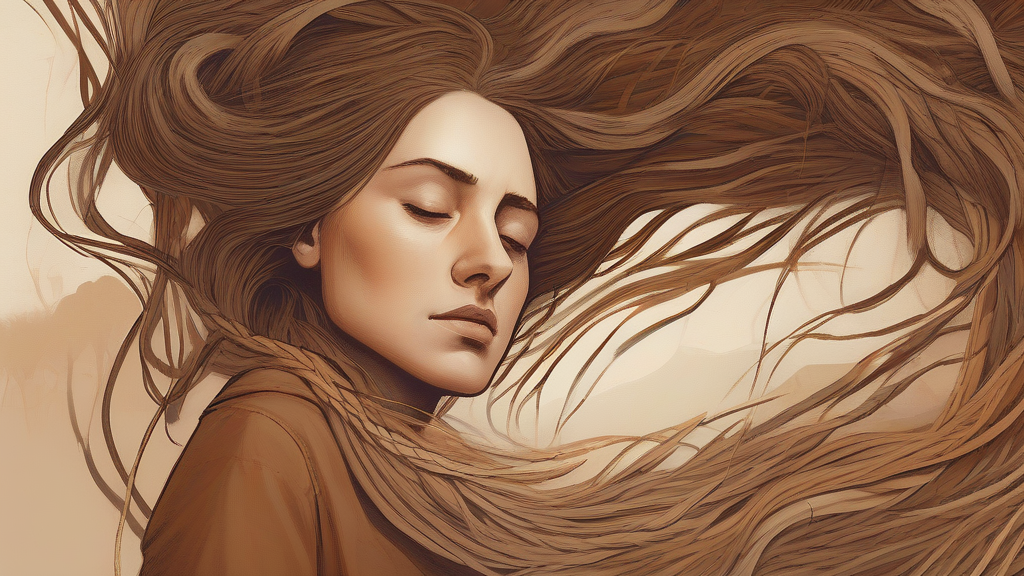
An elflock is a lock of hair that has become tangled, knotted, or matted — traditionally imagined as the work of elves who plaited the sleeper's hair during the night. The word combines 'elf' with 'lock' in its sense of a quantity of hair, and it entered English in the sixteenth century, famously appearing in Shakespeare's Romeo and Juliet, where Mercutio describes Queen Mab as a midwife who slings 'elf-locks' in foul sluttish hairs when she visits sleepers. Today the term is rare and chiefly literary or whimsical, evoking folklore rather than serving as everyday vocabulary for messy hair. It typically appears in the plural form and carries a light-hearted, affectionate connotation: an elflock suggests charming disorder rather than neglect. The word offers a vivid reminder of how folk beliefs about supernatural beings were once woven into ordinary descriptions of daily life.
nounA lock of hair that has become tangled or matted, especially as if knotted by elves; a mass of dishevelled hair.
- A lock of hair tangled or matted as if by elves; a knot of disordered hair.
"She woke with an unruly elflock sticking out at the side of her head."
"The child arrived at school with elflocks from a night of restless sleep."
"Brushing out every stubborn elflock took the nurse a good ten minutes."
The plural is the most common form in actual usage, since tangled hair naturally occurs in several locks at once.
"Her hair was full of elflocks when she stumbled out of bed."
Shakespeare blamed mischievous fairies for your bedhead — the word 'elflock' literally means hair knotted by elves overnight.
Reviewed by Deb Chak, Editor. AI-assisted content curated by RJS Tech Solutions LLP.
Etymology of elflock
Elflock is formed from 'elf', deriving from Old English 'ælf' meaning a supernatural being, combined with 'lock' meaning a quantity of hair, from Old English 'loc'. The compound arose in the sixteenth century, reflecting the folk belief that elves tangled children's and horses' hair overnight. Its most famous early use appears in Shakespeare's Romeo and Juliet (circa 1595). The element 'elf' ultimately traces to a Proto-Germanic root also seen in Old Norse 'alfr', which gives English the unrelated-seeming word 'oaf'.
How elflock is actually used
The word is rare and somewhat archaic or literary today, appearing mostly in older texts and fantasy writing; it carries a whimsical, playful connotation rather than a critical one. It is usually used in the plural ('elflocks').
Easily confused with elflock
An elflock is a tangle of matted hair, while a cowlick is a section of hair that grows in a different direction and sticks up.