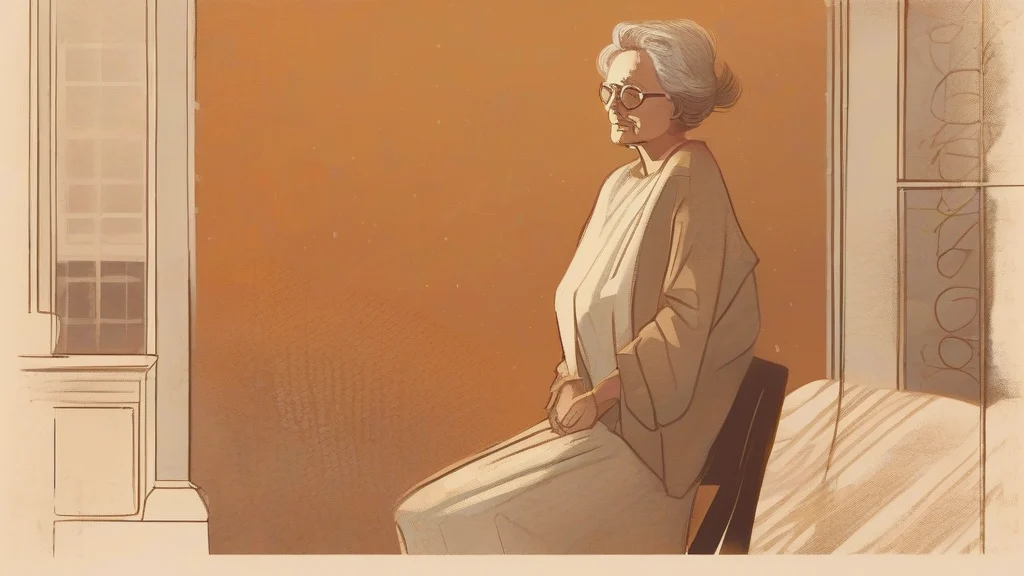
What does emerita mean?
'Emerita' is a formal noun designating a retired woman who retains the honorary title of her former professional position, most commonly within academia and similar institutions. It appears almost exclusively in postpositive constructions such as 'professor emerita' or 'dean emerita', signaling that although the individual has stepped down from active service, her rank, dignity, and institutional affiliation are preserved. The word is the feminine form of 'emeritus', and both derive from the Latin verb 'merēre', meaning to earn or deserve — literally someone who has earned their retirement honor through long, worthy service. Usage of 'emerita' grew alongside women's increasing presence in universities, offering grammatical recognition that older conventions lacked. Today it carries connotations of distinction, longevity, and respect; being named emerita is an honor conferred by an institution rather than a self-appointed label, marking a career regarded as exemplary.
nounA woman who is retired but retains the honorary title of her former professional position, typically used after the noun as in 'professor emerita'. The word is the feminine form of 'emeritus'.
- A retired woman who retains the honorary title of her former position, especially in academia.
"After forty years of teaching, she was named professor emerita at the university."
"Dr. Alvarez, now professor emerita, still attends every department seminar."
"The board appointed her director emerita in recognition of her decades of service."
The plural follows the Latin feminine plural ending '-ae' and is used only rarely, mainly in formal institutional contexts.
"The ceremony honored the university's emeritae alongside its emeriti."
When Harvard named its first woman professor emerita, it wasn't just an honor — it was Latin grammar quietly catching up with the modern workplace.
Reviewed by Deb Chak, Editor. AI-assisted content curated by RJS Tech Solutions LLP.
Etymology of emerita
'Emerita' comes from Latin 'emerita', the feminine past participle of 'emerēre' (to earn by service, to deserve), formed from 'ex-' (out of) plus 'merēre' (to earn). English adopted 'emeritus' first, applied to retired clergymen and professors from around the eighteenth century, with the feminine 'emerita' following as women attained such positions. The same Latin root gives English words like 'merit', 'demerit', and 'meritorious'.
Related word forms
How emerita is actually used
Formal and chiefly academic. 'Emerita' follows the noun it modifies (postpositive), as in 'professor emerita', rather than preceding it. It is the feminine counterpart of 'emeritus'; some institutions now use 'emeritus' generically for all genders, though 'emerita' remains standard when gender is specified.
Easily confused with emerita
'Emeritus' is the masculine or general form used for a retired man, while 'emerita' specifically denotes a retired woman.