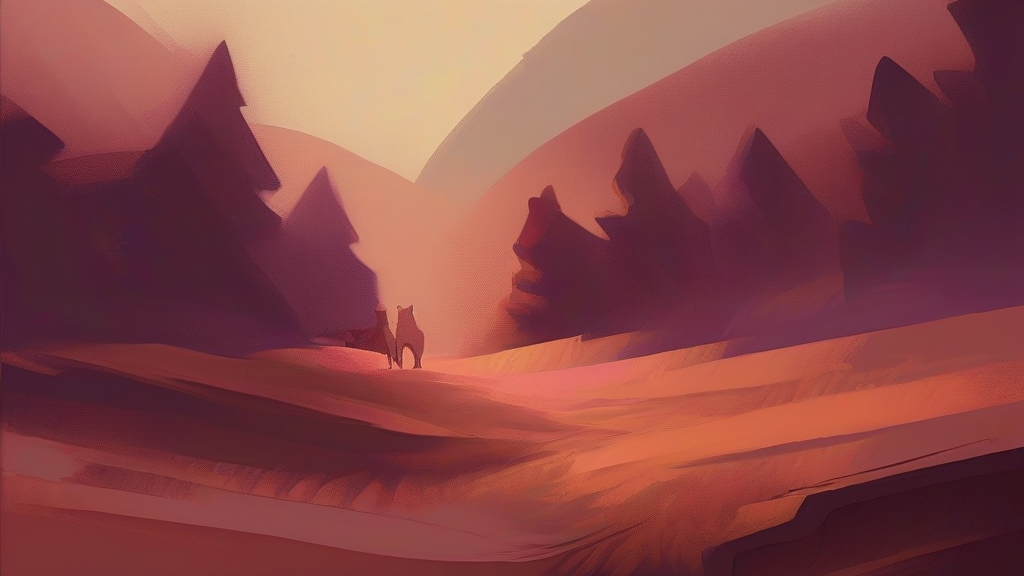
What does empurpling mean?
Empurpling is the present participle of the verb 'to empurple', meaning to make something purple or to become purple oneself. It belongs primarily to literary English, where writers reach for it to describe sunsets deepening across the sky, storm clouds gathering colour, or a face flushing dark with rage or effort. Because it names an active process rather than a static colour, it lends writing a sense of gradual transformation: a landscape is not merely violet but in the act of turning so. The word derives from 'purple', which traces back through Old French and Latin purpura to Greek porphyra, the name of the murex shellfish whose dye clothed emperors and senators in antiquity. Though rare in modern conversation, empurpling survives as a vivid, slightly ornamental choice for descriptive prose.
verb (present participle)The act of turning something purple or making it purple; figuratively, becoming purple, especially in the face from anger, strain, or exertion.
- To make or become purple; to tinge or suffuse with a purple colour.
- (Figurative) To turn purple in the face, as from anger, rage, or physical exertion.
"The sunset was empurpling the western sky as they reached the ridge."
"Storm clouds were empurpling the horizon by late afternoon."
"He grew more and more agitated, his face empurpling as he argued."
Before 'empurple' ever tinted a sunset, its ancient ancestor named the shellfish that dyed the robes of Roman emperors.
Reviewed by Deb Chak, Editor. AI-assisted content curated by RJS Tech Solutions LLP.
Etymology of empurpling
Empurpling derives from the verb 'empurple', formed in English from 'purple' with the intensive prefix 'em-' (from Old French 'en-'), meaning to make or become purple. 'Purple' itself entered Middle English via Old English 'purpul' and Old French 'purpre', ultimately from Latin 'purpura' and Greek 'porphýra', referring to the Tyrian mulex dye prized by ancient Mediterranean elites. Cognates include 'porphyry', the name of a reddish-purple igneous rock, and the heraldic term 'purpure'.
Related word forms
How empurpling is actually used
A literary and somewhat archaic word, rarely used in everyday speech. It appears chiefly in descriptive prose, often for skies, light, bruises, or faces. The figurative sense describing someone's face turning purple with anger carries a faintly comic or dramatic connotation.
Easily confused with empurpling
Empurbling is not confused with purpling in meaning, but note that 'purpling' refers simply to turning or growing purple, while 'empurpling' typically emphasizes actively imparting a purple colour to something else.