
What does epicuticle mean?
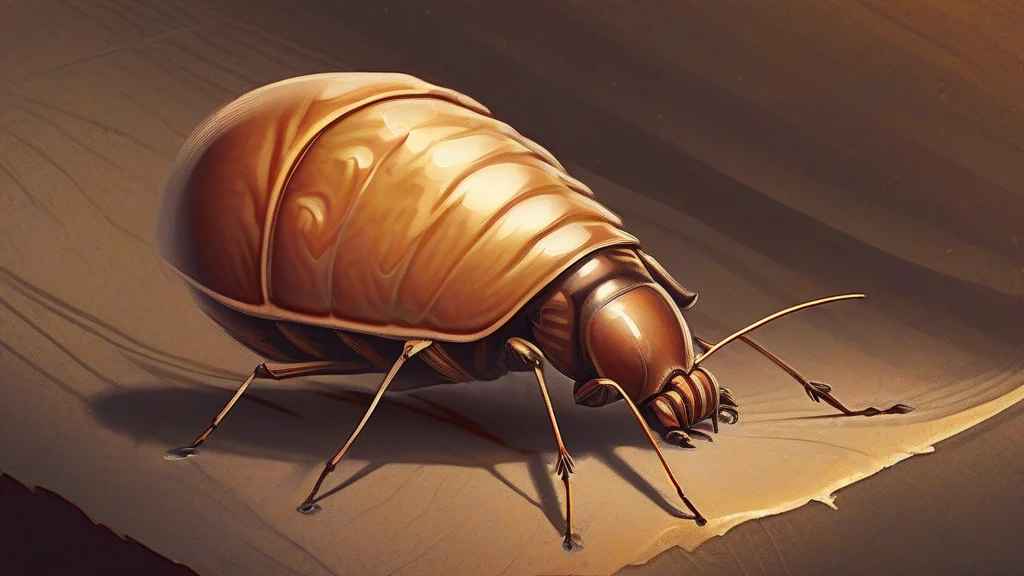
The epicuticle is the extremely thin, outermost layer of the cuticle — the tough external covering found in arthropods such as insects, spiders, and crustaceans, as well as certain other invertebrates. Although only a fraction of a micrometre to a few micrometres thick, this layer performs outsized duties: it is typically covered with waxes and sometimes a cement-like substance, forming a waterproof barrier that prevents the animal from losing moisture through its otherwise permeable body surface. Structurally, the epicuticle lies above the much thicker procuticle and lacks the chitinous microfibrils characteristic of the layers beneath it. The word is a specialist term of entomology and comparative anatomy, encountered mainly in scientific writing on insect physiology, pest control, and moulting. Its practical importance is considerable: because disrupting the epicuticle's waxy coating causes insects to dehydrate, many insecticides and dusts act precisely by damaging this vulnerable outer film.
nounThe thin, outermost layer of the cuticle in arthropods and some other invertebrates, lying external to the procuticle and often bearing a protective waxy or cement coating that limits water loss.
- The thin outermost layer of the arthropod cuticle, typically composed of lipoprotein and often overlaid with wax or cement layers.
"The insect's epicuticle is coated with a thin film of wax that prevents fatal dehydration."
"Under the electron microscope, the epicuticle appears as a delicate, electron-dense film overlying the thick procuticle."
"Because the waxy epicuticle is easily disrupted by abrasive dust, some insecticides work simply by causing insects to desiccate."
The plural is used when discussing multiple specimens, species, or successive moult stages; in general descriptive contexts the singular is more common.
"The epicuticles of desert beetles show especially elaborate lipid arrangements."
Barely a micrometre thick, the epicuticle is all that stands between many insects and drying out completely — lose it, and the animal literally evaporates.
Reviewed by Deb Chak, Editor. AI-assisted content curated by RJS Tech Solutions LLP.
Etymology of epicuticle
The word epicuticle is formed from the Greek prefix epi-, meaning 'upon' or 'over', attached to 'cuticle', which derives ultimately from Latin cuticula, a diminutive of cutis meaning 'skin'. It was coined in the nineteenth century by zoologists describing the layered structure of the arthropod integument, following the same epi- pattern seen in terms like epidermis ('over the skin'). Related English words sharing the cutis root include cutaneous, subcutaneous, and cutin, the waxy substance associated with plant cuticles.
How epicuticle is actually used
A technical term used almost exclusively in entomology, zoology, and related biological sciences; it rarely appears outside specialist literature.
Easily confused with epicuticle
The epicuticle is the thin outermost layer of the cuticle, whereas the procuticle is the much thicker layer beneath it that provides most of the cuticle's structural strength.
The cuticle is the whole non-cellular outer covering of an arthropod, of which the epicuticle is only the very thin surface layer.