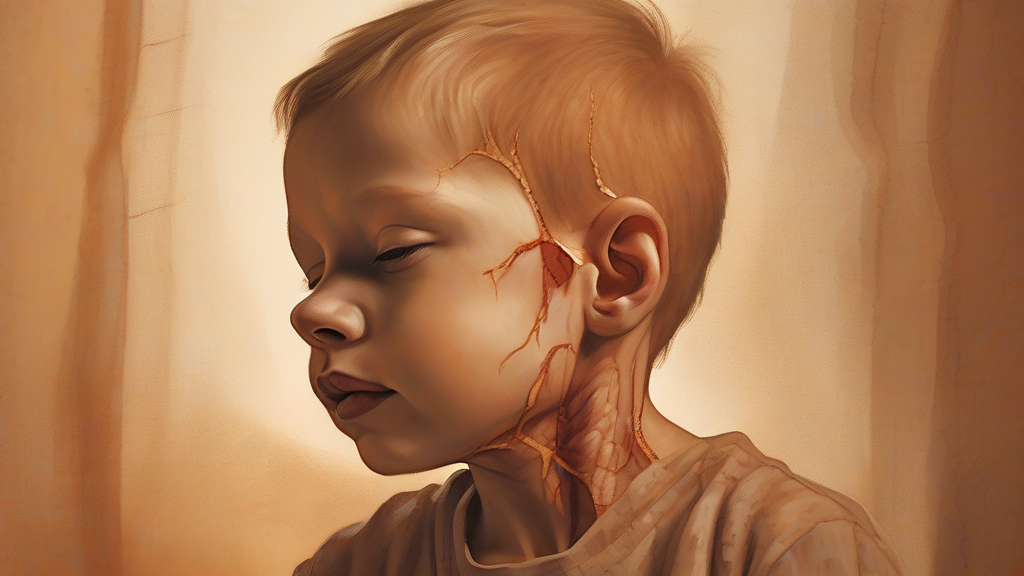
What does epidermolysis mean?
Epidermolysis is a medical term describing the abnormal loosening, separation, or shedding of the epidermis, the outermost layer of the skin. In this condition, the skin's outer layer detaches easily from the tissue beneath it, producing blisters, erosions, and open wounds after even mild friction or pressure. The word appears most often in connection with epidermolysis bullosa, a group of rare, usually inherited disorders in which structural proteins that anchor the skin layers together are defective or missing. Severity ranges from localized blistering to life-threatening disease affecting mucous membranes, the digestive tract, and other organs. Because there is currently no universal cure, care focuses on wound management, pain control, and preventing infection. The adjective form is 'epidermolytic.' Epidermolysis belongs to formal clinical register and is encountered mainly in dermatology, genetics, and patient-support literature rather than everyday conversation.
nounA medical condition in which the epidermis (the outer layer of the skin) separates from or is shed off the underlying layers, typically in response to minor friction or trauma. It occurs chiefly as part of a group of inherited disorders known collectively as epidermolysis bullosa.
- The loosening, separation, or shedding of the epidermis from the deeper layers of the skin, especially as a feature of the hereditary disease group epidermolysis bullosa.
"Children with severe epidermolysis can develop blisters from nothing more than the friction of everyday clothing."
"The biopsy confirmed epidermolysis, with a clear split forming between the epidermis and dermis."
"Researchers are trialling gene therapy for patients with recessive epidermolysis bullosa."
The plural follows the Greek-style '-is' to '-es' pattern seen in words like 'analysis' and 'paralysis,' but it is seldom needed since the condition is generally discussed as a single phenomenon or named by subtype.
"The pathology report compared several distinct epidermolyses observed at different levels of the basement membrane."
In its most severe inherited forms, known as epidermolysis bullosa, skin so fragile it has been likened to butterfly wings can blister from a simple hug — which is why children with the condition are often called 'butterfly children.'
Reviewed by Deb Chak, Editor. AI-assisted content curated by RJS Tech Solutions LLP.
Etymology of epidermolysis
The word combines three Greek-derived elements: 'epi-' meaning upon or over, 'derma' meaning skin, and '-lysis' meaning loosening or dissolution, so it literally means 'loosening of the skin overlying.' It entered medical English during the nineteenth century as dermatology developed precise terminology for blistering diseases, alongside related formations such as 'dermatology,' 'electrolysis,' and 'analysis,' all built on the same Greek root 'lysis.'
Related word forms
How epidermolysis is actually used
Epidermolysis is a technical term used almost exclusively in medical, dermatological, and scientific contexts; in general writing it rarely appears outside the fixed phrase 'epidermolysis bullosa.' The plural 'epidermolyses' exists but is uncommon.
Easily confused with epidermolysis
The epidermis is the outermost layer of the skin itself, whereas epidermolysis is the pathological loosening or shedding of that layer.