What does epididymis mean?
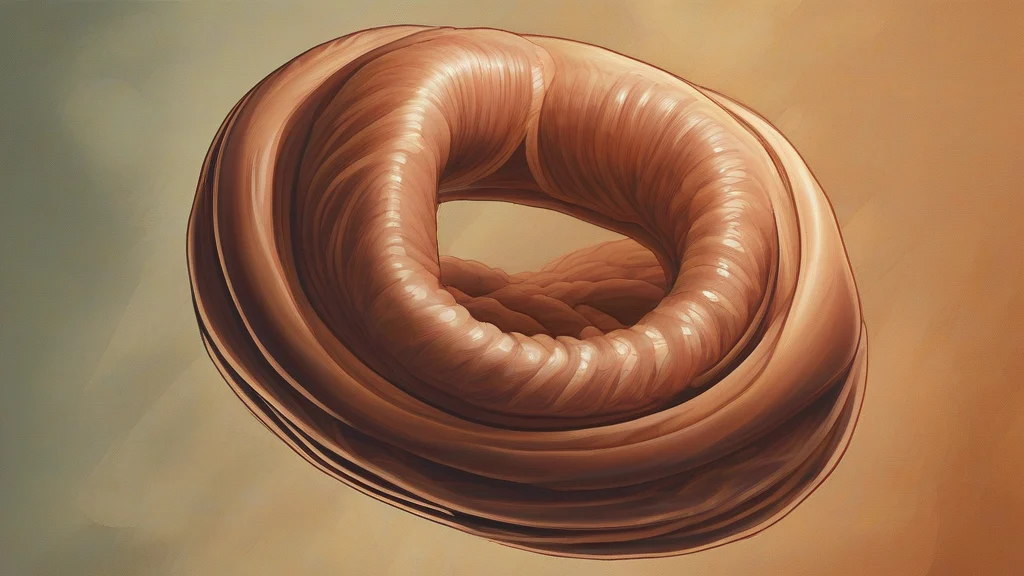
The epididymis is a narrow, tightly coiled tube that lies along the back of each testicle and forms part of the male reproductive system. Despite fitting into a space only a few centimeters long, it contains roughly six meters of duct when fully uncoiled. Its role is essential: immature sperm leaving the testis pass slowly through the epididymis over the course of several days to weeks, during which they gain the ability to swim and fertilize an egg. The structure is conventionally divided into three regions — the head (caput), body (corpus), and tail (cauda) — and connects to the vas deferens, which carries sperm onward. The word appears almost entirely in anatomy, medicine, and health education, as in discussions of epididymitis, an inflammation of this duct often caused by infection. Precise, clinical, and unmistakably technical, it has no everyday figurative use but remains indispensable vocabulary for anyone studying human reproduction.
nounA highly coiled tube located on the back of each testicle that stores sperm while they mature and transports them toward the vas deferens.
- Anatomy: the long, tightly coiled duct resting on the posterior surface of each testis in which sperm are stored and complete their maturation.
"Sperm spend several weeks maturing within the epididymis before they are capable of fertilization."
"During the vasectomy consultation, the surgeon explained that he would be cutting the vas deferens just above the epididymis."
"An ultrasound revealed a small benign cyst at the head of the epididymis."
The classical Greek-derived plural 'epididymides' is standard in scientific literature; the anglicized 'epididymises' occurs occasionally in informal contexts but should be avoided in formal writing.
"Both epididymides appeared normal on the ultrasound examination."
If uncoiled, each epididymis — a structure smaller than your finger — would stretch about six meters, nearly the length of three adults lying head to toe.
Reviewed by Deb Chak, Editor. AI-assisted content curated by RJS Tech Solutions LLP.
Etymology of epididymis
The word comes from New Latin, which borrowed it directly from Ancient Greek 'epididymis', meaning literally 'that which is upon the testicle' — from 'epi-' ('upon') plus 'didymis' ('testicle'), a noun derived from 'didymos', meaning 'double' or 'twin', a reference to the paired nature of the organs. It entered English medical vocabulary in the early seventeenth century as anatomists adopted Greek terminology for structures of the reproductive system. Its adjective form 'epididymal' and the pathological term 'epididymitis' were later coinages built on the same root.
Related word forms
How epididymis is actually used
A strictly anatomical and medical term with no figurative use; it belongs to formal register and appears almost exclusively in medical, scientific, and educational contexts. The standard English plural is 'epididymides', following its Greek pattern, though informal medical writing sometimes uses 'epididymises'.
Easily confused with epididymis
The vas deferens is a separate duct that carries mature sperm away from the epididymis toward the urethra, whereas the epididymis is the coiled storage and maturation organ attached to the testicle itself.