What does epigenetic mean?
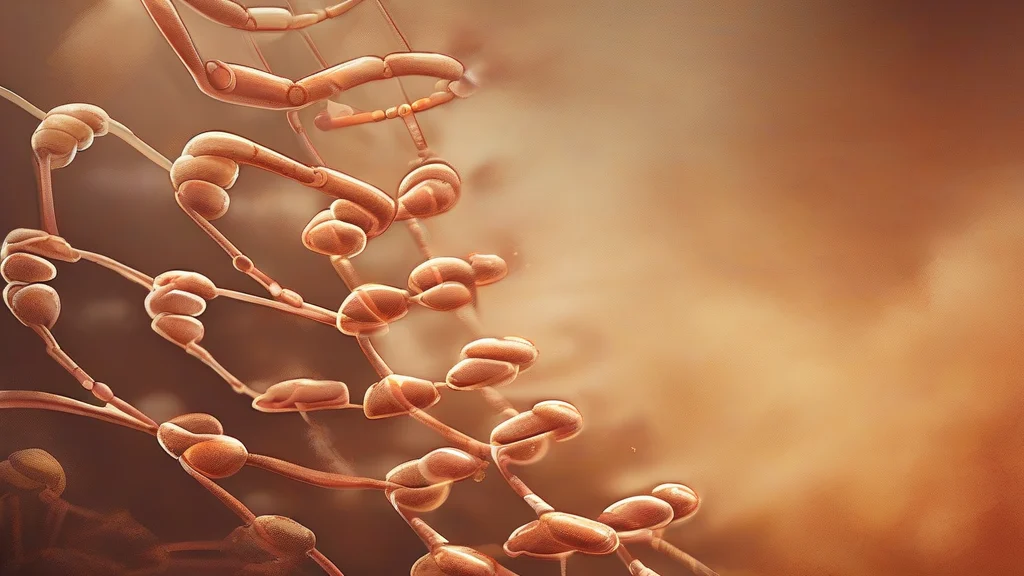
"Epigenetic" is an adjective used chiefly in biology and medicine to describe processes that affect how genes are expressed without altering the underlying DNA sequence. While every cell in an organism carries the same genome, epigenetic mechanisms — such as chemical tags on DNA or on the proteins around which DNA winds — help determine which genes are active in a given cell, allowing a liver cell and a nerve cell to behave very differently despite sharing identical genetic instructions. The term derives from "epigenesis," an older embryological idea that organisms develop gradually from an undifferentiated state, combined with "genetic." Today it most often appears in phrases like "epigenetic changes," "epigenetic marks," and "epigenetic modifications," particularly in research on development, cancer, aging, and the effects of environment and experience on gene activity. Because it sits at the boundary of nature and nurture, the word has become a touchstone in discussions of how lifestyle and surroundings may leave measurable, sometimes even heritable, traces on our biology — making it one of the most consequential adjectives in modern life science.
Relating to epigenetics: involving heritable changes in gene expression or cellular phenotype that occur without any change to the underlying DNA sequence.
"DNA methylation is one of the best-studied types of epigenetic modification."
Almost always used attributively (before a noun), as in "epigenetic changes" or "epigenetic regulation."
Relating to epigenesis, the historical embryological theory that an organism develops progressively from an initially undifferentiated condition rather than unfolding from a preformed miniature.
"Early debates between proponents of preformation and epigenetic theories shaped eighteenth-century embryology."
This sense is largely historical and appears mainly in scholarly discussions of the history of biology.
Your DNA is like a script — but epigenetic marks decide which lines get read and which stay silent, and some of those choices can be passed down to your children.
Reviewed by Deb Chak, Editor. AI-assisted content curated by RJS Tech Solutions LLP.
Etymology of epigenetic
The word "epigenetic" combines the Greek prefix epi- ("upon," "over," or "in addition to") with "genetic," reflecting its roots in the older term "epigenesis," coined in the 17th century by William Harvey to describe the progressive development of an embryo from an undifferentiated state. The modern biological sense — describing heritable changes in gene expression independent of DNA sequence — was established by developmental biologist Conrad Hal Waddington in the mid-20th century, who used "epigenetics" to explain how genotype gives rise to phenotype during development. Its Greek-derived structure makes it cognate with words such as "genesis," "genetic," and other terms built on the Greek root gen- ("to be born" or "to produce").
Related word forms
How epigenetic is actually used
"Epigenetic" is primarily a technical term used in scientific, medical, and academic contexts; it rarely appears in casual conversation. In popular science writing it is often used loosely to suggest that environment can influence biology "beyond the genes," sometimes more loosely than scientists would endorse. It functions almost exclusively as an attributive adjective (as in "epigenetic changes") rather than predicatively.
Easily confused with epigenetic
'Genetic' refers to changes in the DNA sequence itself, whereas 'epigenetic' refers to changes in gene expression that leave the DNA sequence unchanged.