
What does epithalamic mean?
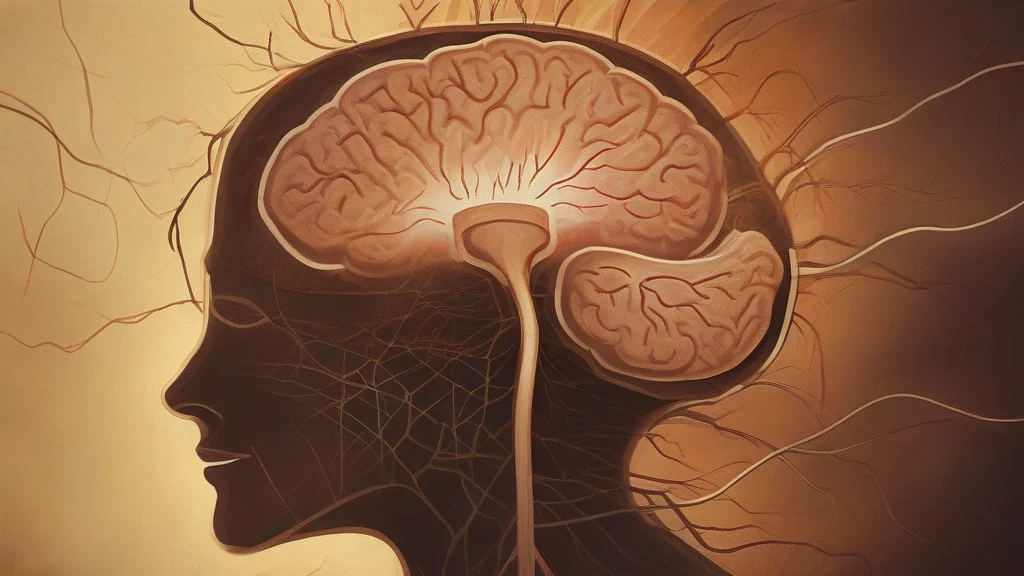
Epithalamic is a specialized anatomical adjective meaning “of or relating to the epithalamus,” the region of the forebrain immediately above the thalamus. The thalamus is a major relay centre in the brain, but the epithalamus is a much smaller neighbourhood that includes the habenular nuclei and pineal gland. The adjective can also describe a position or structure located above the thalamus. Because the pineal gland is involved in melatonin production and the regulation of circadian rhythms, epithalamic terminology is especially likely to appear in discussions of sleep, daily rhythms, and brain anatomy. In technical writing, epithalamic distinguishes structures belonging to this upper region from thalamic structures within the thalamus itself and subthalamic structures below it. The word is chiefly used by anatomists, neuroscientists, and comparative neurobiologists rather than in ordinary speech. Its specialized status and unusual pronunciation make it memorable, while its spatial precision prevents it from being used as a loose synonym for any nearby brain region.
adjectiveOf or relating to the epithalamus, the region of the forebrain immediately above the thalamus; situated above the thalamus.
- Relating to or situated above the thalamus, especially to the epithalamus.
"The epithalamic region lies above the thalamus and includes the pineal gland."
"The epithalamic region lies above the thalamus and includes the pineal gland."
"The atlas distinguishes the epithalamic nuclei from the adjacent thalamic structures."
Above the thalamus is the epithalamus, a small brain neighbourhood whose pineal landmark helps keep time with the day.
Reviewed by Deb Chak, Editor. AI-assisted content curated by RJS Tech Solutions LLP.
Where does epithalamic come from?
Epithalamic was formed in English from the combining form epi-, meaning “upon” or “above,” and thalamic. The second element belongs to the Greek thalamos (“chamber”) word family, represented in English by thalamus and related anatomical terms. The compound reflects the Neo-Latin practice of joining Greek-derived prefixes to technical bases to describe the relative positions of anatomical structures, as also seen in terms such as hypothalamic and epithalamus.
How epithalamic is actually used
Chiefly used in anatomy, neuroscience, and comparative neuroanatomy. It is a specialized term and is normally used attributively.
Easily confused with epithalamic
The epithalamus is the anatomical region itself, whereas epithalamic is the adjective describing that region or its structures.