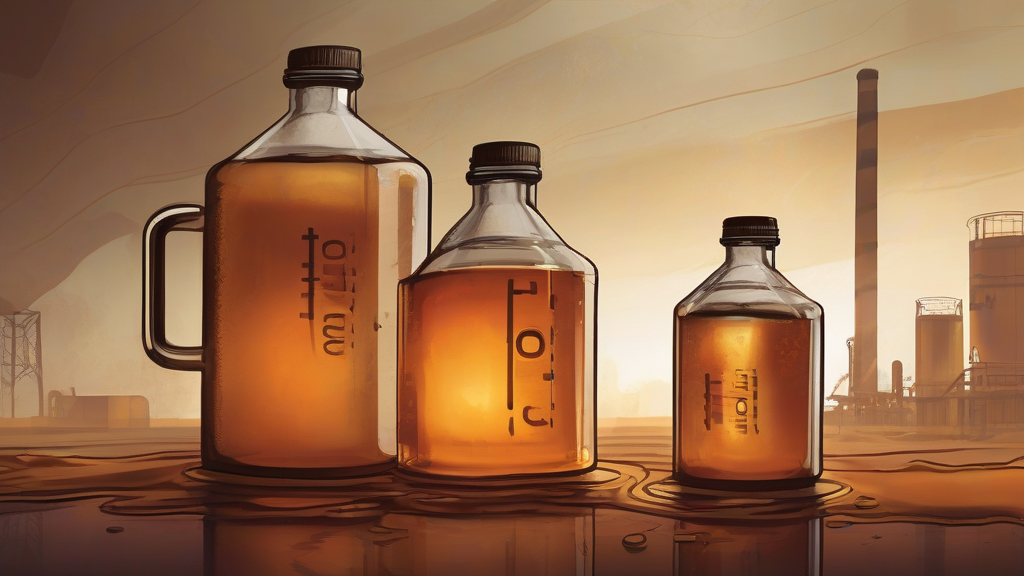
What does ethanediol mean?
Ethanediol, more commonly known as ethylene glycol, is a simple organic compound with the formula HO–CH₂–CH₂–OH: a colourless, odourless, syrupy liquid with a deceptively sweet taste. Its two hydroxyl groups make it highly miscible with water, which underpins its most familiar role as the active ingredient in automotive antifreeze and engine coolants, where it lowers the freezing point and raises the boiling point of the coolant mixture. It is also produced on an enormous industrial scale as a raw material for polyethylene terephthalate (PET), the plastic used in bottles and synthetic fibres such as polyester. Despite its sweetness, ethanediol is seriously poisonous when swallowed, being metabolised into oxalic acid and other harmful compounds, which makes accidental ingestion — particularly by children and animals attracted to its taste — a well-known medical hazard.
nounA colourless, odourless, sweet-tasting viscous liquid, HO–CH₂–CH₂–OH, the simplest glycol, used chiefly as an antifreeze and as a raw material in making polyester fibres.
- The chemical compound ethane-1,2-diol (HO–CH₂–CH₂–OH), used as antifreeze, coolant, and in polyester manufacture.
"The mechanic topped up the radiator with a mixture of water and ethanediol to protect it against freezing."
"Automotive antifreeze typically consists of diluted ethanediol with corrosion inhibitors added."
"Polyethylene terephthalate, the plastic of drink bottles, is made by polymerising terephthalic acid with ethanediol."
As an uncountable substance name, ethanediol is normally unpluralised; a plural appears only when referring to distinct samples or grades.
"Several commercial grades of ethanediols are tested before blending."
Its sweetness is what makes ethanediol so dangerous — animals and children are drawn to taste it, yet even small amounts can cause fatal kidney failure.
Reviewed by Deb Chak, Editor. AI-assisted content curated by RJS Tech Solutions LLP.
Etymology of ethanediol
The name combines ethane, the hydrocarbon skeleton of the molecule, with the suffix -diol, indicating two hydroxyl (–OH) groups; both elements trace back ultimately to Greek and Latin roots via the vocabulary of organic chemistry. The suffix -ol derives from alcohol, while eth- comes from ether-related terminology coined in nineteenth-century chemistry. The alternative name ethylene glycol reflects its historical preparation from ethylene, and glycol itself was coined in the mid-nineteenth century for substances related to glycerine.
How ethanediol is actually used
A technical term used mainly in chemistry and industry; in everyday contexts 'antifreeze' or 'ethylene glycol' is more common. Strictly toxic if ingested despite its sweet taste.
Easily confused with ethanediol
Ethanol is drinking alcohol (C₂H₅OH), while ethanediol is a toxic two-hydroxyl compound used as antifreeze.