What does fagotto mean?
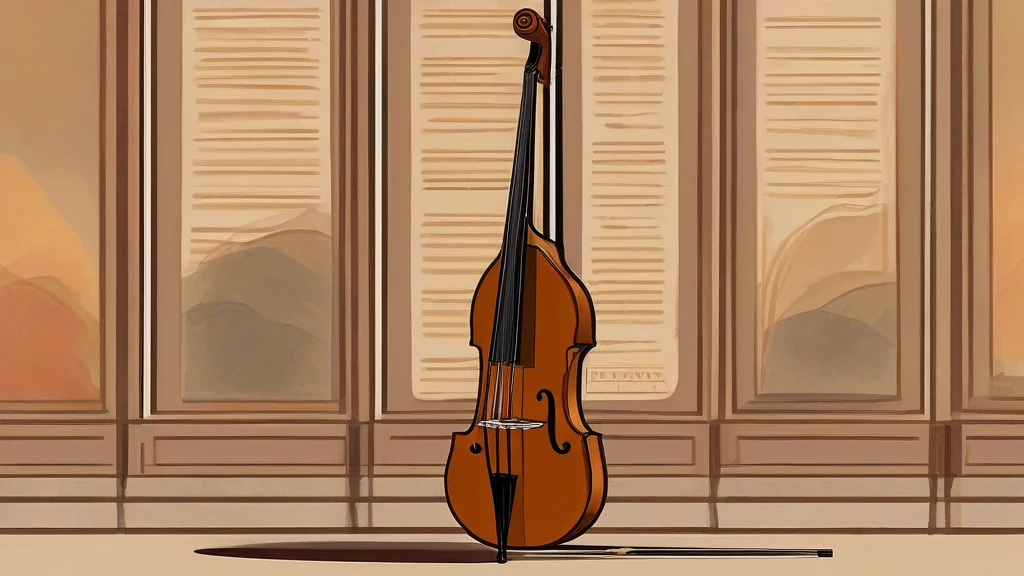
Fagotto is the Italian word for the bassoon, the large double-reed woodwind that anchors the low end of the orchestra. In English-language musical contexts the term appears most often in scores, concert programmes, and scholarly writing about classical music, where works are frequently titled with the Italian designation — for example, Mozart's Concerto per il fagotto. A second, narrower use belongs to organ terminology, where a fagotto is a reed stop built to mimic the bassoon's distinctive, slightly buzzy timbre. Etymologically, the word derives from the Italian fagotto meaning 'bundle' or 'faggot' of firewood, a reference thought to describe the instrument's bundled, segmented wooden body. Because the spelling resembles unrelated English words, writers should be careful to reserve fagotto strictly for its musical senses. Musicians encountering the term can take it simply to mean 'bassoon,' and knowing it allows readers to navigate European scores and organ specifications with confidence.
A bassoon, especially when referred to by its Italian name in scores or musical literature.
"The composer scored the theme for fagotto and clarinet in octaves."
Commonly abbreviated 'Fag.' in orchestral parts and scores.
An organ stop producing a tone imitative of a bassoon.
"She registered the pedal solo with the fagotto stop at sixteen-foot pitch."
The plural follows the Italian pattern, anglicized in English texts as either 'fagotti' or occasionally 'fagottos.'
"The symphony calls for two fagotti in the woodwind section."
The bassoon's very name means 'bundle of firewood' in Italian — a humble nickname for one of the orchestra's most expressive voices.
Reviewed by Deb Chak, Editor. AI-assisted content curated by RJS Tech Solutions LLP.
Etymology of fagotto
Fagotto entered English from Italian in the seventeenth century, when the bassoon itself was being developed from earlier Renaissance double-reed instruments such as the curtal. The Italian word literally means 'a bundle of sticks,' a diminutive related to the Latin fascis ('bundle'), the same root behind English 'fascia' and 'fascism.' The name likely alludes to the instrument's construction from several jointed sections of wood resembling a bound bundle. Its German cognate, Fagott, remains the standard name for the bassoon in German-speaking countries today.
Related word forms
How fagotto is actually used
Fagotto is chiefly used by musicians, musicologists, and organ builders; in general English the instrument is simply called the bassoon. In printed scores and instrument names it appears as the Italian form, often abbreviated 'Fag.' The word carries no informal or derogatory sense in this spelling.
Easily confused with fagotto
A faggot is a bundle of sticks or (chiefly British) a meatball dish — or an offensive slur — whereas fagotto is purely a musical term for the bassoon.
Though both are wind instruments with historical connections to reed pipes, a bagpipe is a bag-driven folk instrument while a fagotto is the orchestral double-reed bassoon.