What does falcated mean?
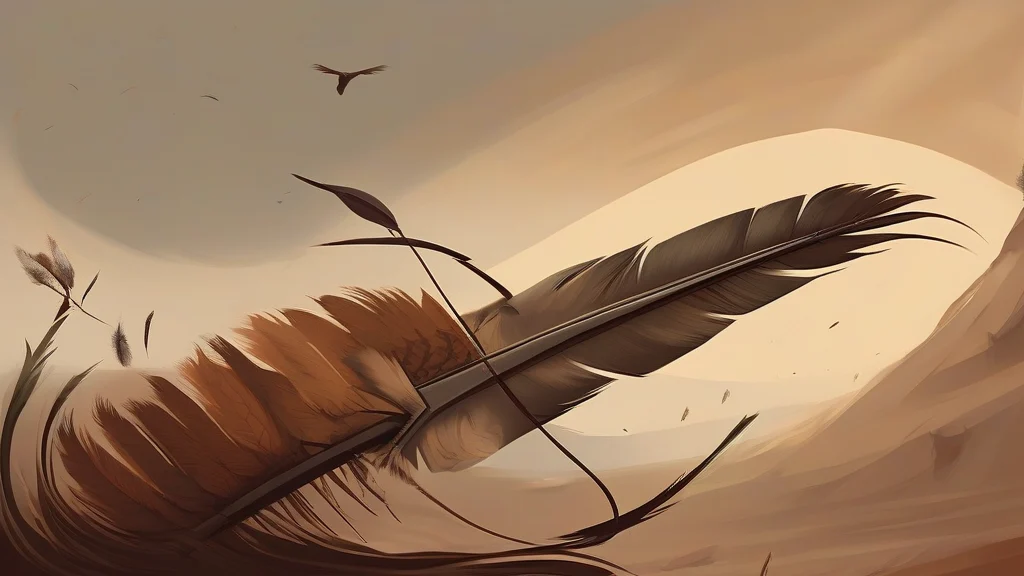
"Falcated" is a technical adjective meaning curved like a sickle — that is, shaped with a long arc tapering to a point, much like a scythe or reaping blade. It derives from the Latin falx, meaning sickle, and appears almost exclusively in formal scientific writing rather than everyday speech. Its most familiar application is in ornithology: the falcated duck (Anas falcata), an elegant dabbling duck of eastern Asia, takes its name from the male's long, gracefully curving tail feathers that sweep over its back. Botanists likewise use the word to describe leaves, petals, or other structures with a sickle-like curvature. Because it belongs to learned vocabulary, "falcated" connotes precision and descriptive care; writers choose it when they want an exact image of graceful, blade-like curvature rather than the vaguer term "curved." It is closely related to the more common adjective "falcate," and the two are near-synonymous, though "falcated" survives mainly in fixed ornithological usage.
adjectiveCurved or shaped like a sickle; hook-shaped or scythe-like. In ornithology, it describes feathers that curve like a sickle blade.
- Curved like a sickle; hook- or scythe-shaped.
- (Of bird plumage) curving gracefully like a sickle blade.
"The male falcated duck's long tail feathers curve elegantly toward the water."
"The orchid's falcated petals arched outward like miniature scythes."
"Birdwatchers prize the falcated drake for its iridescent head and sweeping tail plumes."
The falcated duck is named for the sickle-like tail feathers that curl over its back like tiny scythes.
Reviewed by Deb Chak, Editor. AI-assisted content curated by RJS Tech Solutions LLP.
Etymology of falcated
Falcated comes from the Latin falx (genitive falcis), meaning a sickle or pruning hook, via the adjective falcat(us), "shaped like a sickle." English adopted it as a learned borrowing alongside its sibling form "falcate," both appearing in scientific literature from roughly the 18th–19th centuries onward. The same Latin root gives us "falciform" (sickle-shaped) and, through Vulgar Latin falcula, the old weapon name "falchion."
Related word forms
How falcated is actually used
A technical and rare word, found chiefly in scientific description — especially ornithology, where "falcated duck" is the standard English name of Anas falcata — and in formal botanical or zoological prose. It carries no figurative or informal use in everyday speech.
Easily confused with falcated
"Falcate" is the base adjective meaning sickle-shaped, while "falcated" is a less common variant form often applied specifically to curved plumage in birds.