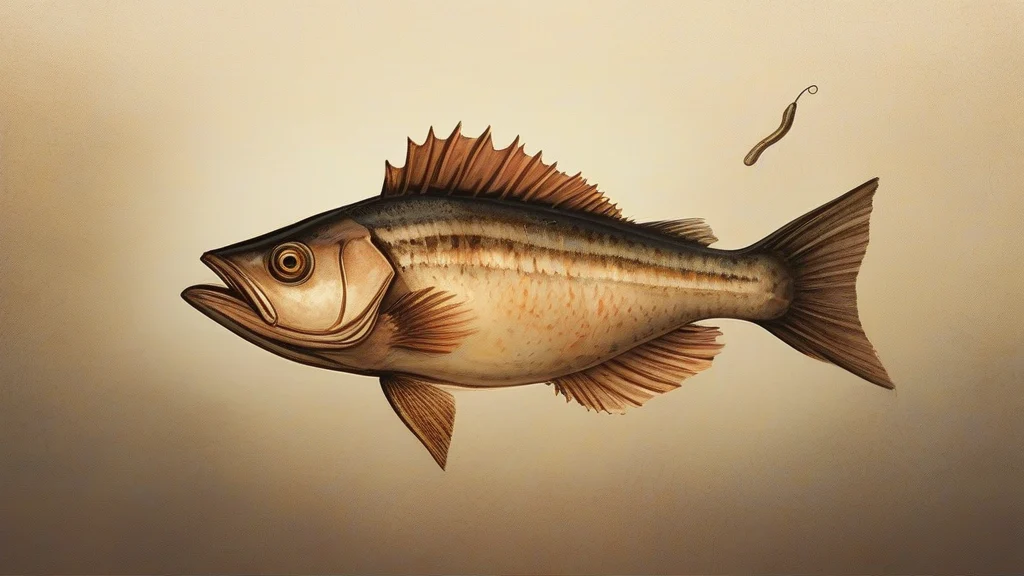
What does finfish mean?
A finfish is a true fish — a vertebrate animal equipped with fins — used especially to distinguish such creatures from shellfish like oysters, clams, shrimp, and crabs. The term appears most often in the vocabulary of fishing, aquaculture, food science, and regulation, where the distinction matters: quotas, allergies, farming methods, and safety rules frequently treat finfish and shellfish differently. In everyday speech most people simply say 'fish', which makes 'finfish' a marker of technical precision. It is common in phrases such as 'finfish and shellfish' and in discussions of farmed or commercially caught species. Though unglamorous, the word is genuinely useful: it resolves ambiguity wherever 'fish' might be read broadly, and it reflects an old habit of grouping edible sea creatures by their anatomy rather than by habitat.
nounA true fish, as distinguished from shellfish and other aquatic animals; especially one having fins, sought by anglers or harvested commercially.
- A fish with fins, especially as distinguished from shellfish in culinary, commercial, or regulatory contexts.
"The restaurant's menu distinguishes between finfish and shellfish, with sea bass heading the finfish list."
"Regulators set separate catch quotas for finfish and for crustaceans."
"Farmed finfish now supply more than half of the fish eaten worldwide."
Often treated as a collective or mass noun and left unpluralized ('the finfish caught this year'); when a count plural is needed, 'finfishes' also occurs.
"Several finfish were tagged during the survey."
When you order 'fish' at a seafood restaurant, you're almost always ordering finfish — the term exists mainly to set it apart from its shell-less cousins.
Reviewed by Deb Chak, Editor. AI-assisted content curated by RJS Tech Solutions LLP.
Etymology of finfish
The compound 'finfish' combines two ancient English roots: 'fish', from Old English 'fisc', and 'fin', from Old English 'finn', both attested since the earliest records of the language. As a compound it arose much later, in modern English, when the need emerged to distinguish true fish from shellfish in scientific, commercial, and regulatory language. Its formation follows a plain Germanic pattern of compounding native elements rather than borrowing from Latin or Greek.
How finfish is actually used
The word is used chiefly in technical, commercial, and regulatory contexts — fisheries management, aquaculture, and food labeling — rather than in everyday conversation. It is often a compound of convenience in phrases like 'finfish and shellfish'.
Easily confused with finfish
Shellfish are aquatic invertebrates such as mollusks and crustaceans, whereas finfish are vertebrate fish with fins and backbones.