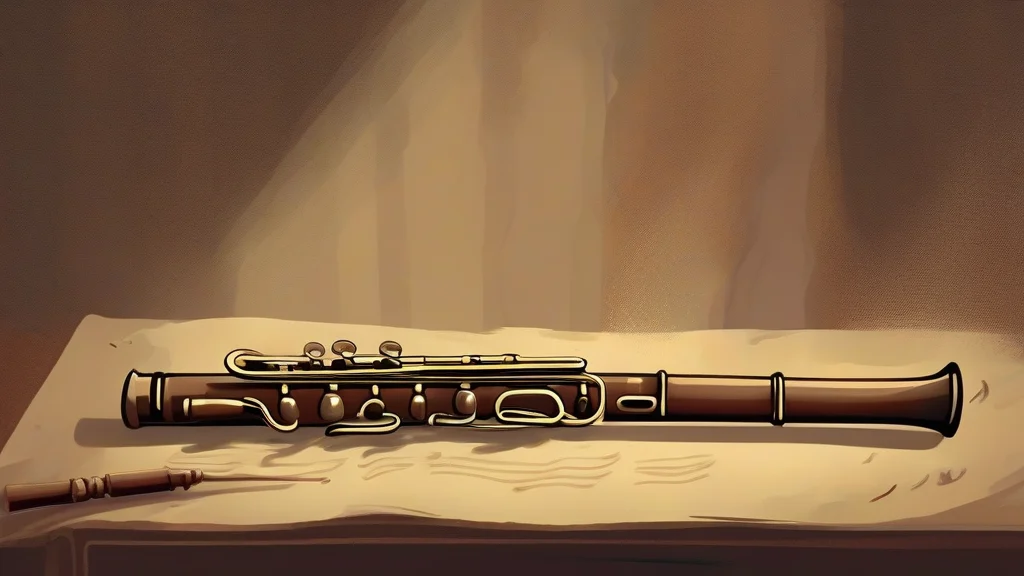
What does flageolet mean?
The flageolet is a small end-blown woodwind instrument, essentially a slender relative of the recorder, fitted with a whistle-style mouthpiece and finger holes — often including distinctive double thumb holes — that enjoyed considerable popularity in France and especially England from the sixteenth through the nineteenth century. Cheap enough for amateurs yet capable of a clear, piping tone, it featured in parlour music and folk tradition before the modern recorder largely displaced it. Curiously, the same word also names something edible: the flageolet bean, a small, flat, pale-green variety of haricot bean prized in French cuisine, where it is traditionally served alongside lamb. The two meanings coexist without confusion because they occupy such different worlds — one musical, one culinary. Today the word carries a faintly antique charm, appearing mostly in histories of instruments, period fiction, and restaurant menus. Its double life makes it a rare example of a single English word naming both an object you play and one you eat.
A small fipple flute, blown at the end like a whistle and equipped with finger holes, popular in Western Europe from the Renaissance to the nineteenth century.
"The museum's collection included a boxwood flageolet with ivory mounts and its original silver key."
This is the original and historically dominant sense of the word.
A small pale-green haricot bean, usually sold dried and widely used in French cookery, known fully as the flageolet bean.
"The bistro served braised lamb shoulder over a bed of buttery flageolets."
Often written as the compound 'flageolet bean' to avoid ambiguity with the musical sense.
Standard pluralization applies in both senses: flageolets for multiple instruments or multiple beans.
"She bought a kilo of dried flageolets for the cassoulet."
One word names both a sweet-toned little flute once played across Europe and the pale-green French bean beloved by chefs — and nobody is entirely sure why they share it.
Reviewed by Deb Chak, Editor. AI-assisted content curated by RJS Tech Solutions LLP.
Etymology of flageolet
The word flageolet entered English in the early seventeenth century from French, where flageolet was a diminutive of flageol, a term for a kind of pipe or flute found in southern French dialects. Related forms survive in Occitan and Catalan traditions, notably the Catalan flabiol, a small fipple pipe still used in folk music. The precise reason the word came also to designate the green haricot bean remains obscure, though the culinary sense is well established in French and passed into British English.
How flageolet is actually used
Both senses are now somewhat dated or specialist: the musical flageolet survives mainly in discussions of historical instruments, while 'flageolet' alone for the bean is less common than 'flageolet bean'. In British usage the bean sense appears frequently on menus; in American usage it is rarer.
Easily confused with flageolet
A recorder is a larger, more common fipple flute held vertically like the flageolet, which is distinguished by its smaller size and often by having two thumb holes.