What does flak mean?
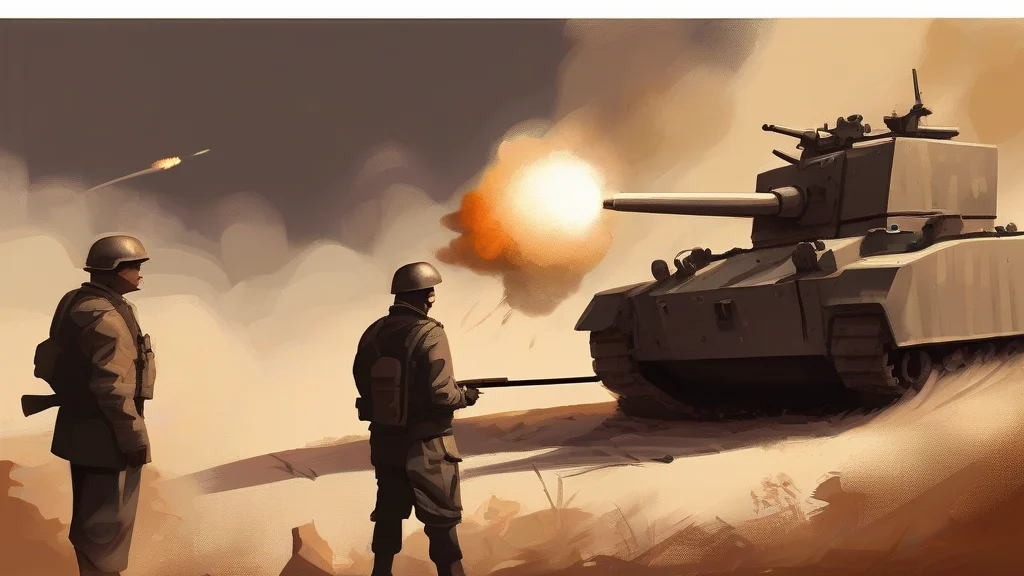
Flak is an informal but firmly established English noun meaning harsh criticism or hostile reaction. When people say a politician or company is catching or taking flak, they mean the subject is being roundly attacked in public — by journalists, voters, customers, or critics. The word carries a strongly negative connotation and typically implies sustained, vocal disapproval rather than a single complaint. Its second, older sense refers to anti-aircraft fire: the bursting shells aimed at aircraft, especially during the Second World War. This military origin is the word's most striking feature, since "flak" entered English as an abbreviation of the German Fliegerabwehrkanone, the technical name for an anti-aircraft gun. From that same history comes the "flak jacket," a protective vest originally designed to shield aircrews from shrapnel, now worn by police and journalists. Because it packs vivid imagery into a single blunt syllable, flak remains a favorite of headline writers and speakers who want to convey pressure and criticism economically.
Severe criticism, abuse, or hostile reaction directed at someone or something.
"The board took flak from shareholders over the failed merger."
Treated as uncountable; used with verbs such as catch, take, draw, or cop.
Anti-aircraft fire, or the shells fired at aircraft, especially in the context of the Second World War.
"The pilot brought the damaged plane home through heavy flak."
Flak is normally an uncountable mass noun and has no regular plural; quantity is expressed with words like some, much, or a lot of. An occasional plural "flaks" appears only in the rare sense of individual types or bursts of anti-aircraft fire.
"She has taken a lot of flak over the decision."
"Flak" began as a German military acronym — Fliegerabwehrkanone, literally "aircraft-defense cannon" — and was borrowed whole into English during World War II.
Reviewed by Deb Chak, Editor. AI-assisted content curated by RJS Tech Solutions LLP.
Etymology of flak
Flak is an abbreviation of the German compound Fliegerabwehrkanone, meaning "aircraft-defence cannon," the standard term for an anti-aircraft gun adopted during the interwar period. English-speaking airmen borrowed the shortened form during the Second World War, using it first for the gunfire itself and then, by extension, for any intense hostile fire. The modern figurative sense — severe criticism — developed naturally from the image of being under fire and became common in political and journalistic language in the postwar decades. Related borrowings include the flak jacket, protective clothing designed to guard against shell fragments.
Related word forms
How flak is actually used
Informal to neutral in register, and almost always negative in connotation — nobody receives flak for good news. It behaves as an uncountable mass noun: you take "some" or "a lot of" flak, not "a flak." The older military sense is now largely historical or figurative.
Easily confused with flak
"Flack" is a slang term for a press agent or publicist, whereas "flak" means criticism or anti-aircraft fire; the two are often misspelled for each other.