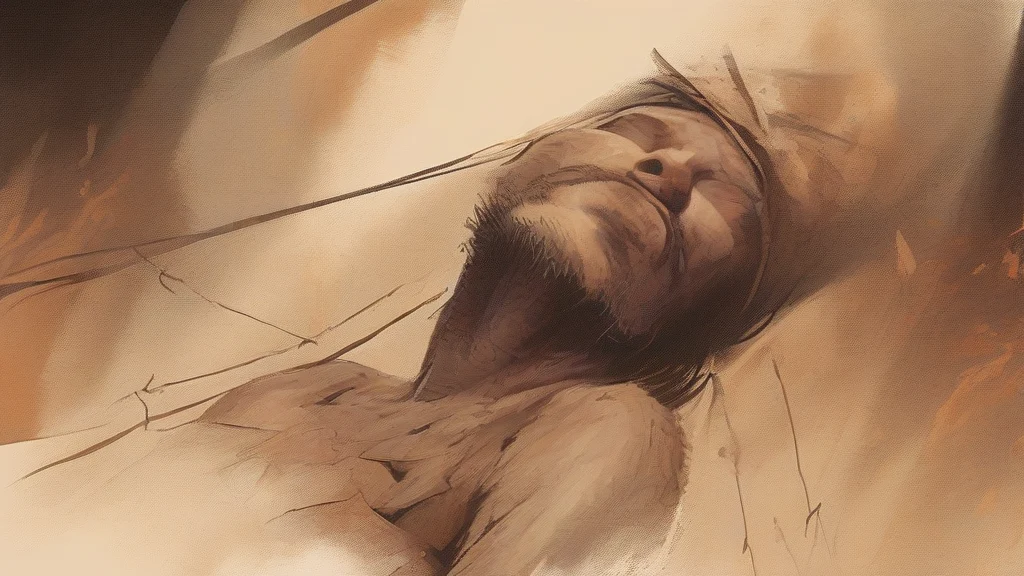
What does flaying mean?
Flaying is the act of removing the skin or hide from a body, whether an animal whose pelt is being prepared for use or, in grim historical contexts, a human being subjected to torture or execution. The word derives from the Old English verb flay, and its literal use survives today mainly in specialized settings such as butchery, taxidermy, and the leather trade, where a skilled worker may remove a hide in one intact piece. Because the image it evokes is violent, flaying carries powerful visceral connotations and is often used for shock value in historical writing and fiction. The word also has a well-established figurative life: critics, journalists, and satirists speak of public figures being flayed when they are savaged in print, and of consumers being flayed when they are ruthlessly overcharged. This blend of literal brutality and rhetorical force makes flaying a vivid, memorable word.
To strip off the skin or hide of a person or animal; figuratively, to criticize or defraud someone savagely.
"The trapper was flaying the beaver pelts before selling them."
Almost always used in progressive forms (flaying, was flaying) rather than alone.
The action or process of stripping skin from a body.
"The museum exhibit described the flaying of hides in medieval tanneries."
Rare; used mainly in historical accounts referring to multiple instances of the punishment or procedure.
"The chronicle records several public flayings carried out in the town square."
In medieval Europe, flaying was such a feared punishment that some executed victims' skins were tanned and displayed as public warnings.
Reviewed by Deb Chak, Editor. AI-assisted content curated by RJS Tech Solutions LLP.
Etymology of flaying
Flaying comes from the Old English verb flēan, meaning to strip off skin or flesh, which belongs to the Germanic branch of Indo-European languages. The related Scandinavian practice gave rise to the term flense, used especially for stripping blubber from whales, reflecting a shared northern maritime and hunting heritage. The word has remained remarkably stable in meaning across more than a thousand years, extending from literal skinning into figurative senses of severe criticism and plunder.
Related word forms
How flaying is actually used
Literal uses of flaying now occur mostly in hunting, taxidermy, and historical contexts, so the word carries strong visceral connotations. The figurative sense — severe criticism or financial exploitation — is more common in modern journalism.
Easily confused with flaying
Flailing means waving the arms or limbs wildly, while flaying means stripping off skin.
Flying means moving through the air, whereas flaying involves removing skin or harshly criticizing someone.