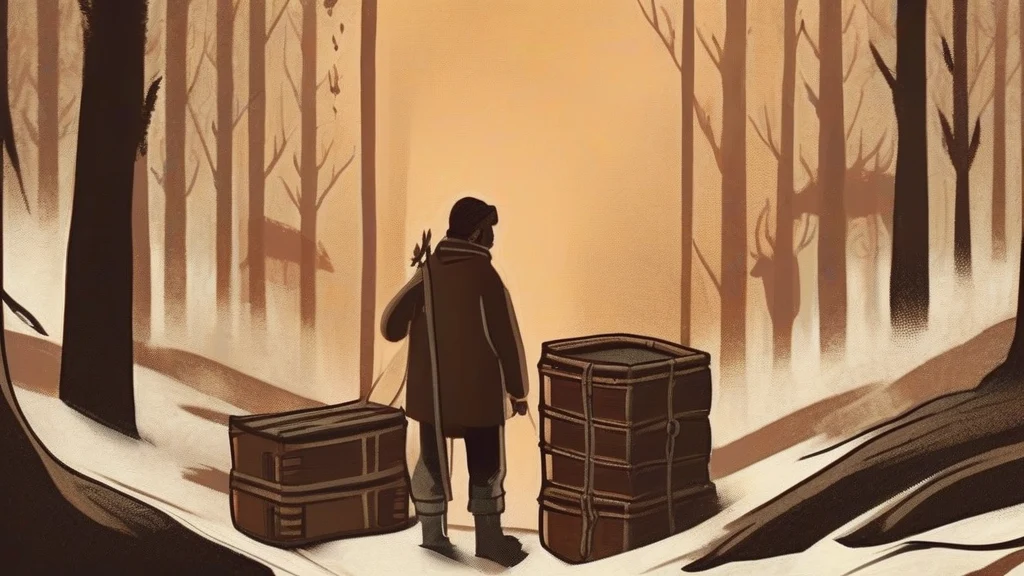
What does forestaller mean?
A forestaller is a person who forestalls — that is, who anticipates, pre-empts, or obstructs something by acting before it can happen. The term carries a vivid historical meaning as well: in medieval and early modern England, a forestaller was specifically someone who intercepted goods such as grain, fish, or poultry en route to market and bought them up before ordinary buyers could bid, then resold at inflated prices. Because this practice was thought to rig prices and starve the open market, forestalling was formally outlawed for centuries alongside the related offences of 'engrossing' and 'regrating', and the word still evokes that atmosphere of commercial sharp practice. Today the noun is uncommon and formal, living mostly in historical writing, while its verb cousin 'forestall' remains thoroughly current. Using 'forestaller' lends prose an archaic, legalistic flavour well suited to discussions of market manipulation or pre-emptive tactics.
nounA person who forestalls; historically, someone who bought up goods on their way to market, or intercepted them before sale, in order to resell at a profit and drive up prices. More generally, one who anticipates, pre-empts, or hinders something in advance.
- A person who anticipates, pre-empts, or prevents something by acting in advance.
- (historical) A person who buys or intercepts goods on their way to market in order to resale them at inflated prices.
"Parliament's sixteenth-century statutes were aimed squarely at the forestaller who cornered the grain supply before it reached market."
"By leaking her proposal early, she proved a shrewd forestaller of the committee's objections."
"Medieval town records bristle with fines levied on the forestaller who met farmers on the road and bought their grain before market opened."
Standard plural, used when referring to multiple people engaging in forestalling, especially in historical accounts of market regulation.
"The statute imposed heavy fines on forestallers and regraters alike."
For centuries in England, being a forestaller wasn't rude — it was a crime punishable by fine and imprisonment, because buying goods before they reached the market was seen as cheating the public.
Reviewed by Deb Chak, Editor. AI-assisted content curated by RJS Tech Solutions LLP.
Etymology of forestaller
Forestaller derives from the verb 'forestall', formed in Middle English from 'fore-' (before) plus 'stall', in its older sense of a standing place or position in a market, ultimately from the Germanic root behind modern English 'stall'. The original image was literal: standing or setting up ahead of others on the road to market to intercept goods first. The same root passed into Medieval Latin as 'stallum' and later fed into 'install', making words like 'installation' distant relatives. The agent-noun suffix '-er' simply names the person who performs the act.
Related word forms
How forestaller is actually used
The historical sense is now largely obsolete, surviving mainly in economic history and discussions of medieval market regulation; the general sense ('one who forestalls') is rare and formal, usually appearing in political or literary prose where the verb 'forestall' is far more common.
Easily confused with forestaller
Forestall is the verb meaning to anticipate, pre-empt, or hinder something in advance, whereas forestaller is the agent noun denoting the person who does so.