What does frazzled mean?
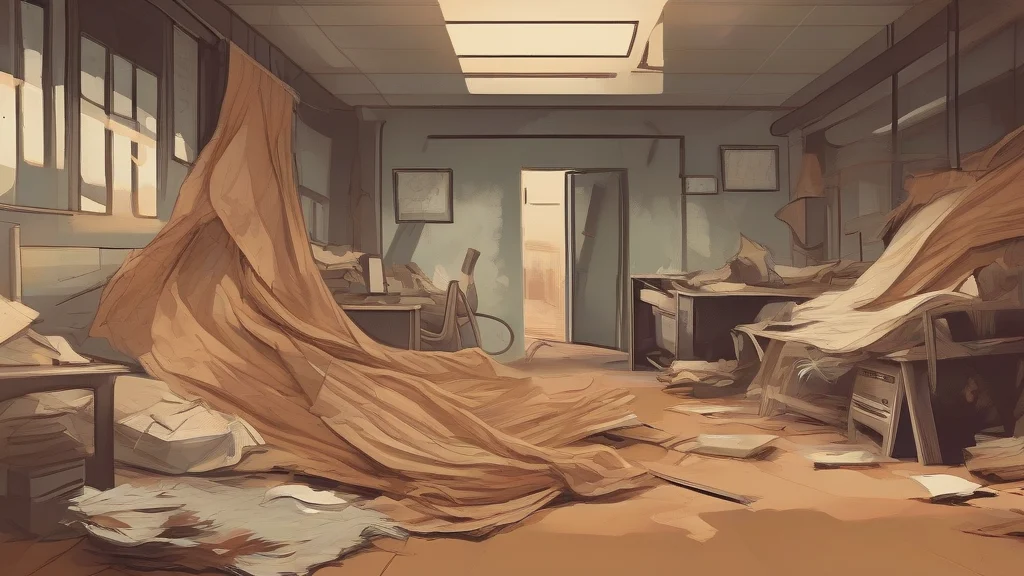
'Frazzled' describes a state of complete physical or emotional exhaustion brought on by stress, overwork, or relentless demands — the feeling of having been stretched to one's last thread. A frazzled person is not merely tired but visibly worn down: nerves on edge, thoughts scattered, composure gone. The word is informal and affectionately humorous in tone, making it a favourite of journalists, parents, and anyone describing the chaos of modern life ('a frazzled commuter', 'frazzled nerves'). Interestingly, the word began literally: in the nineteenth century, 'to frazzle' meant to fray or wear cloth to rags, and the human sense preserves that image metaphorically — people under stress are said to feel frayed at the edges just like old fabric. Its figurative sense now overwhelmingly dominates. Both vivid and sympathetic, 'frazzled' offers a precise way to name the particular exhaustion that comes not from labour alone, but from worry layered on top of it.
Exhausted and stressed out; having one's nerves or energy worn completely thin.
"By Friday evening he was too frazzled to cook, let alone entertain."
Almost always applied to people; figurative extension of the original sense of frayed fabric.
(Of fabric, cord, or fibres) frayed, ragged, or worn away at the edges.
"The blanket's edges were so frazzled that threads trailed from every corner."
The original, now less common sense; usually found in descriptions of old textiles, ropes, or cables.
Despite being a staple of modern burnout talk, 'frazzle' is an etymological mystery — lexicographers genuinely don't know where the word came from.
Reviewed by Deb Chak, Editor. AI-assisted content curated by RJS Tech Solutions LLP.
Etymology of frazzled
'Frazzled' derives from the verb 'frazzle', which first appeared in English in the mid-nineteenth century meaning to fray or wear fabric to threads. The word's ultimate origin is uncertain — dictionaries including Merriam-Webster list it simply as of unknown origin, though it has been suggested it may relate to dialectal words such as 'throssle' or echo the older term 'frizzle'. By the late nineteenth century the verb had taken on the figurative sense of wearing down a person's nerves, and 'frazzled' became the standard adjective for someone thus exhausted. Because its roots are obscure, no secure cognates in other languages can be identified.
Related word forms
How frazzled is actually used
'Frazzled' is informal but widely accepted in everyday speech, journalism, and casual workplace language; it is rare in formal writing except in quoted dialogue or lifestyle features. It carries a sympathetic, mildly humorous connotation — describing someone as frazzled implies overextension rather than failure. The figurative human sense has almost entirely displaced the older literal sense referring to frayed cloth, which survives only in older or specialist usage.
Easily confused with frazzled
'Fazed' means disturbed or disconcerted by something unexpected, while 'frazzled' means worn out and exhausted from prolonged stress rather than momentarily rattled.