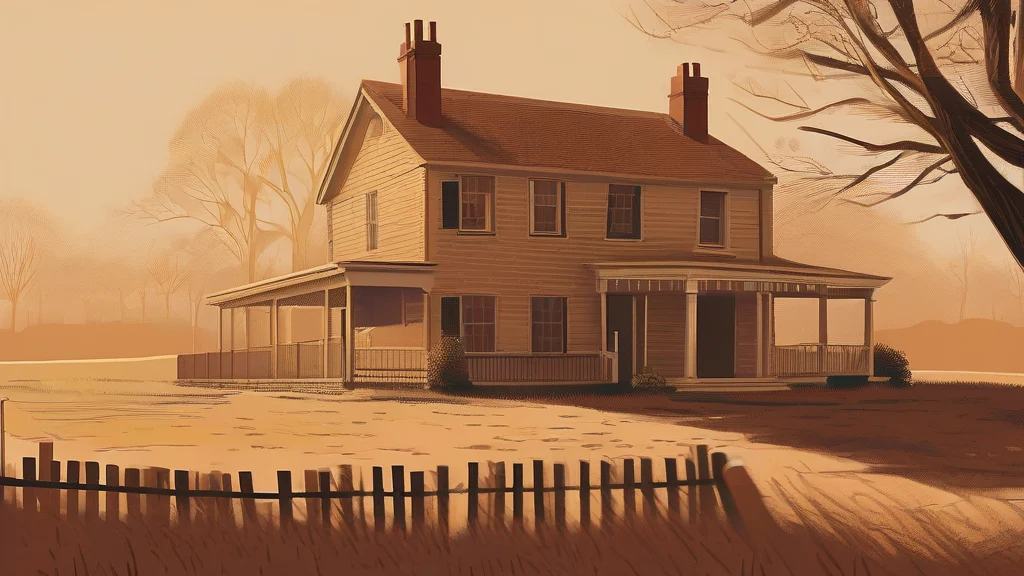
What does freeholder mean?
A freeholder is a person who owns real property outright — holding an estate in fee simple or for life rather than renting it from someone else. The term comes from English law, where 'freehold' described the most secure form of land tenure, and it carried enormous civic weight: for centuries in Britain and colonial America, possession of a freehold was the property qualification that entitled a man to vote or serve on juries, making the freeholder the archetype of the independent citizen. Today the word survives mostly in legal and historical contexts, though it long remained an official title for certain New Jersey county officials, known as 'chosen freeholders.' Related words such as leaseholder and householder describe weaker or merely occupational relationships to property, which makes freeholder a precise marker of genuine ownership in both historical and modern usage.
nounA person who possesses an estate in land held in fee simple or for life — that is, outright ownership of real property rather than tenancy; historically, especially in Britain and colonial America, a freeholder was a landowner qualified by that ownership to vote and serve on juries.
- A person who owns real property outright (in fee simple or for life) rather than holding it as a tenant.
- (Historical, Britain and colonial America) A landowner whose property qualification entitled him to vote in elections or serve on juries.
"As a freeholder, she had the right to vote on local matters without regard to rent or lease terms."
"The county's board of chosen freeholders approved the new budget on Tuesday."
"Only freeholders could stand for the office of knight of the shire under the old electoral rules."
Standard plural; used both for groups of property owners and for members of boards such as New Jersey's former boards of chosen freeholders.
"The freeholders of the county gathered to debate the new tax assessment."
In early America, 'freeholder' was practically synonymous with 'voter' — owning your own land literally made you a full political citizen.
Reviewed by Deb Chak, Editor. AI-assisted content curated by RJS Tech Solutions LLP.
Etymology of freeholder
Freeholder is formed from 'free' + 'holder,' combining an Old English root (frēo, 'free') with the agent noun 'holder.' It derives from the English legal concept of the 'freehold' — land held by free tenure, as opposed to copyhold or leasehold — a distinction rooted in medieval feudal land law. Cognate formations using the same 'free' element include 'freeman' and 'freedom'; the Germanic word behind 'free' also surfaces in 'frank' via Frankish, the tribe that gave their name to the concept of political freedom in medieval Europe.
How freeholder is actually used
The word is now largely historical and legal in register, appearing mainly in property law, genealogy, and discussions of voting history. In New Jersey, it survives as an official title: members of some county legislative bodies were called 'chosen freeholders' until the title was renamed 'county commissioner' in 2020. The plural is straightforward ('freeholders').
Easily confused with freeholder
A leaseholder rents property under a lease for a fixed term, whereas a freeholder owns the property itself indefinitely.
A householder is simply the head or occupant of a house and need not own it, while a freeholder specifically holds title to the land or building.