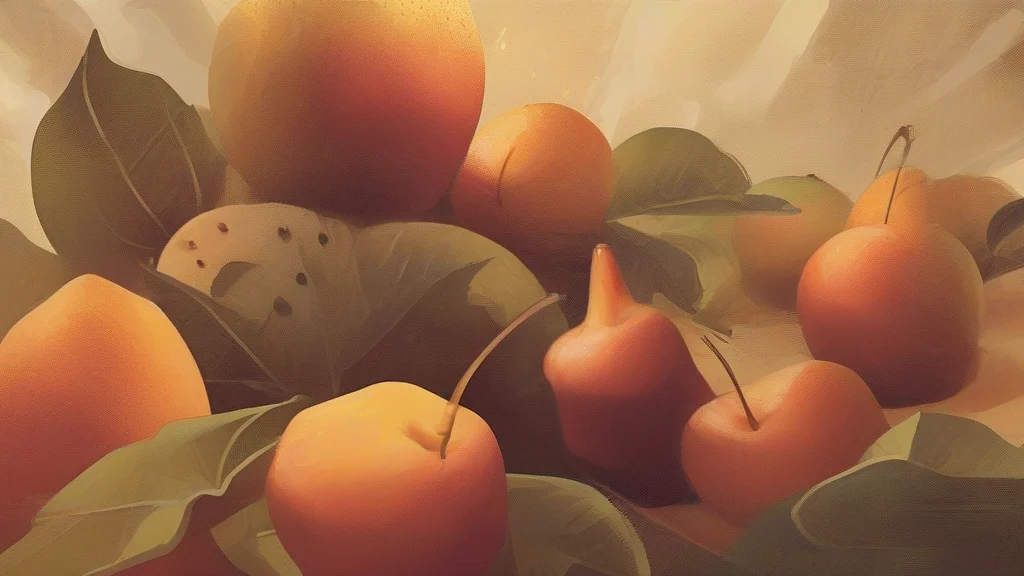
What does fructified mean?
Fructified is the past tense and past participle of the verb fructify, which has two closely related meanings: literally, to bear fruit, as a tree or plant does; and figuratively, to yield results, profits, or successful outcomes from prior effort or investment. When we say that years of planning have fructified, we mean they have come to fruition — produced tangible, worthwhile results. The word derives from the Latin fructus, meaning fruit, the same root that gives us 'fruit' itself, so its figurative sense preserves an ancient agricultural metaphor: good ideas, like orchards, require patient cultivation before they yield a harvest. Fructified carries a formal, literary tone and appears most often in polished writing about business, diplomacy, scholarship, or long-term endeavor, where it conveys patient, earned success rather than sudden luck. It remains somewhat more at home in British English than American English.
verb (past tense and past participle of fructify)Fructified means to have borne fruit, or to have made something productive, fruitful, or profitable. It describes the realization or coming to fruition of plans, efforts, or investments.
- To bear fruit; to become fruitful or productive (of a plant, plan, effort, or investment).
- To make something fruitful or productive; to render profitable.
"Years of patient negotiation finally fructified into a lasting peace agreement."
"The company's early research investments finally fructified in the form of a breakthrough drug."
"Rain and warm sun fructified the orchard well ahead of harvest."
When your efforts 'fructify,' they literally bear fruit — a word rooted in Latin that lets you describe success using the language of orchards.
Reviewed by Deb Chak, Editor. AI-assisted content curated by RJS Tech Solutions LLP.
Etymology of fructified
Fructified comes from fructify, borrowed in the late Middle English period from Old French fructifier, which descends from the Latin fructificare, 'to bear fruit.' That Latin verb combines fructus ('fruit,' also the source of English 'fruit' via French) with the suffix -ficare, 'to make.' The literal horticultural sense is older, with the figurative sense of producing profitable results developing alongside it; cognates such as fructose and fructification share the same Latin root.
Related word forms
How fructified is actually used
Formal and somewhat literary in register; more common in British English than American English. Often used figuratively for plans, labors, or hopes coming to fruition. The base form is 'fructify'; 'fructified' is its past tense and past participle.
Easily confused with fructified
Fortified means strengthened or defended (as with fortifications or added nutrients), whereas fructified means bore fruit or became productive.